

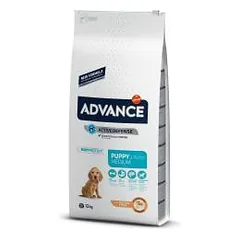
Advance
Advance Puppy Medium sausas maistas vidutinių veislių šuniukams, 12 kg
1,48 €/kg
17,76 € / 12 kg

In Switzerland this scenthound comes in four regional color varieties, each tied to the canton where it developed. It was bred to trail hare and fox through mountainous terrain, which called for stamina over bulk, so weight rarely exceeds 20 kilograms. The short, dense coat stands up to cold Alpine weather. The voice is loud and used constantly while working a trail, which is part of why the breed is kept almost exclusively for hunting rather than as a city companion. It needs plenty of exercise and secure fencing, since its nose can lead it a long way from home. Friendly with family but independent once on a scent. Life expectancy runs 11 to 13 years.
Browse dog food sized right for this breed
Swiss Hound: how old in human years?
Energy level
Trainability
Family friendly
Grooming need
Males 45–58 cm
Females 45–58 cm
Males 15–20 kg
Females 13–18 kg
Swiss Hound's average temperament and family-life score for this breed is moderate.
Swiss Hound's energy and exercise needs are high.
Swiss Hound's guarding and alertness traits are low.
Swiss Hound's grooming needs are low.
In the valleys of Switzerland, hunters could recognise this dog's voice from a long way off, and your neighbours will learn it just as quickly. The Swiss Hound was bred to follow the trail of a hare, fox or deer on his own for hours, baying to let the hunter know where he is. That kind of work takes a great deal of energy, and it doesn't vanish when the dog lives in town: he needs long daily walks, runs and, ideally, jobs for his nose. The hunting drive is very strong, so keep off-lead running for fenced spaces.
At home he is gentle, sociable and good with children and other dogs; he is a pack dog through and through and doesn't enjoy being alone. He greets strangers with his nose rather than his guard, so don't expect a watchman. He can learn and is willing to, right up until some smell seems more important, so keep lessons short, patient and well stocked with treats.
The thing worth knowing up front is the voice. A bored Swiss Hound, or one left alone for long, can fill a whole stairwell with his melodious baying. A flat doesn't suit him; he is happiest in a house with a garden, with a family that heads outdoors every day and is glad to let him put his nose to work.
The Swiss Hound's coat is short and dense, which means your combs and scissors can stay in the drawer. Once a week, go over it with a rubber brush or a rough grooming mitt to lift the dead hair and spread the skin's natural oils; that is enough to keep it looking tidy. Shedding is moderate, and baths are only worth it when a walk in the woods leaves your dog smelling more vivid than you'd like in the living room.
The real grooming job hangs on either side of the head. Those long drop ears sweep the grass, soak up the dew and don't get much air, so lift them every week, take a look and wipe the outer part if needed. After every outing in the woods, check for ticks, especially on the ears, the neck and between the toes, and trim the nails once you hear them clicking on the floor.
We don't have reliable health information specific to this breed, so we don't list conditions here. Keep up regular vet check-ups, and if you are getting a puppy, ask the breeder about the parents' health testing.
This is general information, not veterinary advice. For your own dog's health, tests and treatment, see a vet.
This list is chosen by the breed's weight (20 kg) rather than the breed itself: shops label food by dog size, so every breed of the same size gets the same list. Prices are updated daily.
≈ 240 g of dry food a day, from €13,24 a month For a neutered, normally active 16,5 kg dog. Calculate for your dog
Advance
1,48 €/kg
17,76 € / 12 kg
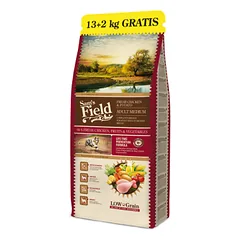
Sam's Field
1,80 €/kg
26,99 € / 15 kg

Country Dog
1,89 €/kg
28,29 € / 15 kg
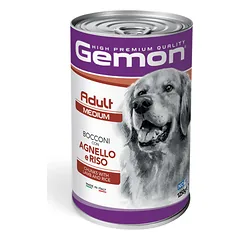
Gemon
1,94 €/kg
2,42 € / 1,3 kg
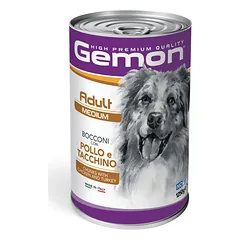
Gemon
1,94 €/kg
2,42 € / 1,3 kg
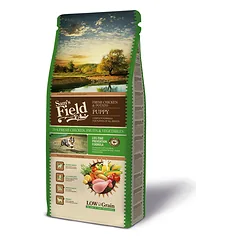
Sam's Field
2,11 €/kg
27,45 € / 13 kg
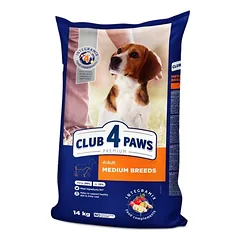
2,14 €/kg
30,00 € / 14 kg
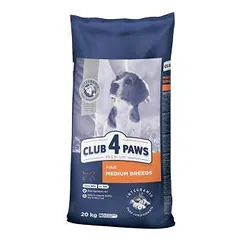
Club 4 Paws
2,15 €/kg
42,99 € / 20 kg