

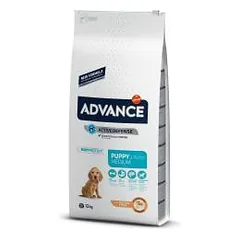
Advance
Advance Puppy Medium sausas maistas vidutinių veislių šuniukams, 12 kg
1,48 €/kg
17,76 € / 12 kg

The Balkan Hound has been used for centuries in Serbian villages to hunt hare and fox through dense Balkan forests, typically working in small groups. The short, dense coat in its characteristic tan and black pattern needs minimal grooming. An adult male weighs around 20 kilograms, built for stamina and persistence on a trail rather than raw speed. The breed remains primarily a rural working dog rather than a show competitor, and it stays almost unknown outside the Balkan region. It bays loudly while trailing game, which makes it unsuited to a noise-sensitive setting. Temperament is independent yet attached to its handler. Scent is the breed's main working tool, so a simple walk often turns into a long trail-following expedition. Life expectancy runs 12 to 14 years.
Browse dog food sized right for this breed
Balkan Hound: how old in human years?
Energy level
Trainability
Family friendly
Grooming need
Males 44–56 cm
Females 44–56 cm
Males 16–20 kg
Females 16–20 kg
Balkan Hound's average temperament and family-life score for this breed is moderate.
Balkan Hound's energy and exercise needs are high.
Balkan Hound's guarding and alertness traits are moderate.
Balkan Hound's grooming needs are low.
The first time you hear a Balkan Hound announce that he has found a trail, you'll understand why his ancestors were prized for telling hunters across a valley exactly where the game was running. This Serbian hound was bred to follow hare, fox or boar for hours on end, so he has energy to spare, and a stroll round the block doesn't come close. He needs serious daily exercise: long forest hikes, running beside a bike, or canicross. Let him off the lead only where you are certain there is no scent at all, and in the countryside such places barely exist.
He learns reasonably well when sessions are short, interesting and end with a treat. But the nose always outranks the command, and the most polished recall collapses the moment the wind brings a whiff of hare. Barking and baying are part of who he is: leave him alone and bored, and the whole building will know.
He is attached to his people, usually gets on with children and takes easily to other dogs, as hounds bred to work in a pack tend to. He is more reserved with strangers, but nobody would call him a guard dog. The ideal home is in the country or the suburbs, with a fenced garden and an owner who enjoys the woods in any weather; a city flat is simply too small for him.
The Balkan Hound wears a short, dense, close-fitting coat made for running through thickets rather than posing in a show ring. Looking after it is almost a token effort: once a week, go over it with a rubber brush or grooming mitt to lift the dead hair and bring the shine back. Shedding is light, no special products are needed, and a bath is only called for when your dog comes home smelling of the marsh.
The real attention goes on what the forest leaves behind. After every long run through the undergrowth, check the paws for thorns lodged between the toes and run your hands over the body for ticks. Lift the drop ears once a week and check that the inside is clean. An active dog wears his nails down on his own, but check them anyway, along with any dewclaws higher up the leg.
We don't have reliable health information specific to this breed, so we don't list conditions here. Keep up regular vet check-ups, and if you are getting a puppy, ask the breeder about the parents' health testing.
This is general information, not veterinary advice. For your own dog's health, tests and treatment, see a vet.
This list is chosen by the breed's weight (20 kg) rather than the breed itself: shops label food by dog size, so every breed of the same size gets the same list. Prices are updated daily.
≈ 260 g of dry food a day, from €14,13 a month For a neutered, normally active 18 kg dog. Calculate for your dog
Advance
1,48 €/kg
17,76 € / 12 kg
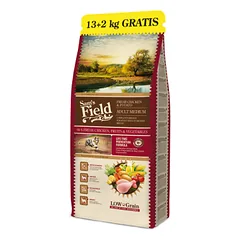
Sam's Field
1,80 €/kg
26,99 € / 15 kg

Country Dog
1,89 €/kg
28,29 € / 15 kg
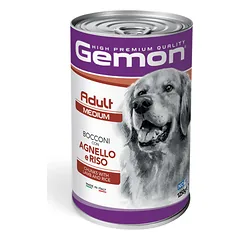
Gemon
1,94 €/kg
2,42 € / 1,3 kg
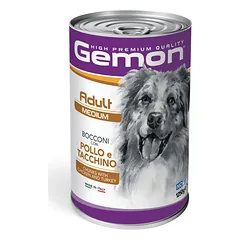
Gemon
1,94 €/kg
2,42 € / 1,3 kg
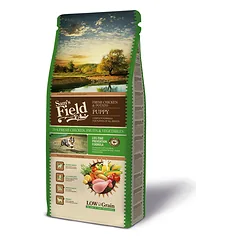
Sam's Field
2,11 €/kg
27,45 € / 13 kg
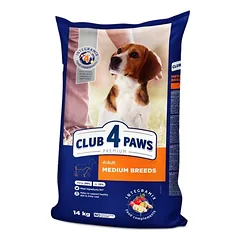
2,14 €/kg
30,00 € / 14 kg
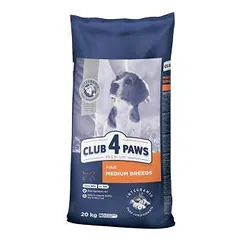
Club 4 Paws
2,15 €/kg
42,99 € / 20 kg