

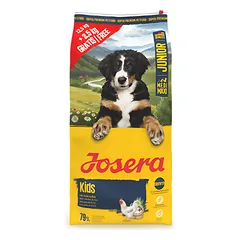
Josera
Josera Kids 12,5kg + 2,5kg = 15 kg
1,38 €/kg
37,89 € / 27,5 kg

The Shikoku takes its name from the Japanese island where it developed, hunting boar in the mountains and holding them at bay until a hunter arrived. An adult male weighs up to 25 kilograms on an agile, muscular frame carrying a medium-length double coat, usually in a sesame pattern called goma, where light and dark hairs mix together. Japan recognized the breed as a national natural monument in 1937, though it remains rare outside the country. The Shikoku kept a strong prey drive and a marked territorial streak, so early socialization with other animals matters more here than in many breeds. Its vocal range can be surprising, sometimes producing a howl-like sound rather than a standard bark. It stays loyal to its family and reserved with strangers. Life expectancy runs 11 to 13 years.
Browse dog food sized right for this breed
Shikoku: how old in human years?
Energy level
Trainability
Family friendly
Grooming need
Males 49–55 cm
Females 46–52 cm
Males 16–25 kg
Females 14–20 kg
Shikoku's average temperament and family-life score for this breed is moderate.
Shikoku's energy and exercise needs are high.
Shikoku's guarding and alertness traits are moderate.
Shikoku's grooming needs are low.
In the mountains of Japan's Shikoku island, this dog pushed through the undergrowth after wild boar, and on most days part of his mind is still there. He is alert, light-footed and agile, and he needs daily exercise with some substance to it: long walks over varied ground, running, games that make him think. The hunting drive is very strong, so a cat in the yard or a squirrel in the park can wipe out all your training in a second. Keep off-lead time for securely fenced spaces.
He is clever but has opinions of his own, a proper spitz trait. He learns fast when sessions are short, fair and free of harshness; force only teaches him to tune you out. With strangers he is reserved and wary, so early socialisation with people, dogs and noise really matters. He doesn't always get along with other dogs, particularly of the same sex, so make introductions carefully. He isn't a big barker, but he'll certainly tell you about every unfamiliar footstep at the door.
With his own people a Shikoku is devoted without being clingy: he likes to be near you but won't beg for cuddles. Once his energy is spent he is quiet indoors and happy to lie about with you, but a flat where he spends the whole day alone is no place for him. He suits active, patient owners who value a dog that works with them rather than one that simply obeys.
The Shikoku wears a double coat: harsher outer hairs over a soft, dense undercoat that keeps out mountain wind and rain. For most of the year a brush once or twice a week is plenty, but a couple of times a year the undercoat starts coming out in clumps, and then a brush and comb are a daily job if you don't want the house carpeted in red or sesame fluff. The coat sheds dirt well on its own, so baths can be rare; washing often only strips the natural oils that protect the skin and coat.
While you brush, look at the skin too: it should be clean, without flakes, redness or spots your dog keeps scratching, especially during a moult, when loose undercoat sits close to the body. The upright ears air well, but check inside once a week for dirt or a bad smell. Wipe the corners of the eyes with a damp cloth when needed, and if an eye turns red, waters or your dog keeps squinting, show it to a vet.
The Shikoku was bred for mountains, and it shows: light, muscular and free of the exaggerated features that cause trouble in some breeds. There are still two conditions worth knowing about in advance. Regular vet visits and an honest conversation with the breeder will let you look ahead with a calmer mind.
This is general information, not veterinary advice. For your own dog's health, tests and treatment, see a vet.
Hip dysplasia means the hip joint forms loosely or unevenly, so it wears and aches over time. You might notice your dog hesitating before jumping into the car, getting up stiffly after a long rest, or swinging the hind legs oddly when running. A Shikoku's whole life is about movement, so before taking a puppy, ask the breeder about the parents' health testing.
Epilepsy means repeated seizures, where a cause can't always be found. During a seizure a dog may suddenly go rigid, fall onto its side, paddle its legs or stop responding to your voice. If this happens to your Shikoku, contact a vet immediately: they will work out what it was and what comes next.
This list is chosen by the breed's weight (25 kg) rather than the breed itself: shops label food by dog size, so every breed of the same size gets the same list. Prices are updated daily.
≈ 265 g of dry food a day, from €14,60 a month For a neutered, normally active 18,8 kg dog. Calculate for your dog
Josera
1,38 €/kg
37,89 € / 27,5 kg

Sam's Field
1,80 €/kg
26,99 € / 15 kg

Country Dog
1,89 €/kg
28,29 € / 15 kg

Club 4 Paws
1,92 €/kg
26,94 € / 14 kg

Diamant
1,93 €/kg
28,99 € / 15 kg
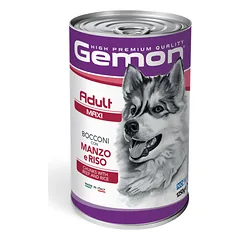
Gemon
1,94 €/kg
2,42 € / 1,3 kg

BIO FORM
2,00 €/kg
40,00 € / 20 kg

BIO FORM
2,00 €/kg
40,00 € / 20 kg