

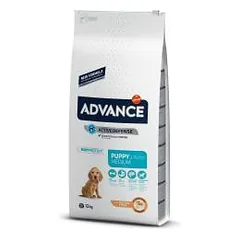
Advance
Advance Puppy Medium sausas maistas vidutinių veislių šuniukams, 12 kg
1,48 €/kg
17,76 € / 12 kg

Also known as: Dutch Schapendoes
The Schapendoes spent centuries herding sheep and cattle across the Dutch lowlands, and that working life shaped an agile, quick body hidden underneath a long, shaggy coat that disguises its actual shape. An adult rarely tops 20 kilograms, and the long fall of hair over the eyes, which gives the breed its permanently peeking-through-a-curtain look, needs regular trimming just so the dog can see where it's going. The breed nearly disappeared in the Netherlands during World War II, and it was only revived by a handful of dedicated breeders in the 1950s. Temperament runs lively and playful, often compared to other small herding breeds for its habit of making its own decisions around livestock. Left unbrushed, the coat mats into cords fairly quickly, so this isn't a breed for an owner short on grooming time. It tends to be patient but physically boisterous with children. Life expectancy runs 13 to 15 years.
Browse dog food sized right for this breed
Schapendoes: how old in human years?
Energy level
Trainability
Family friendly
Grooming need
Males 43–50 cm
Females 40–47 cm
Males 15–20 kg
Females 15–20 kg
Schapendoes's average temperament and family-life score for this breed is high.
Schapendoes's energy and exercise needs are moderate.
Schapendoes's guarding and alertness traits are moderate.
Schapendoes's grooming needs are low.
A summer afternoon, a ball flies across the garden, and after it goes a shaggy little cloud that can stop, turn and spring as if it weighed nothing at all. The Schapendoes once herded sheep on the heathlands of the Netherlands, and that nimble, cheerful character is still very much there.
It needs a good deal of exercise: long walks, running, games and something to think about. It is clever and enjoys learning, especially when training feels like play, which makes it a natural for agility or obedience. Harshness gets you nowhere; friendly, consistent training with plenty of praise does.
In a family it is a real friend: merry with children, easy with other dogs, polite to visitors, though it will tell you they have arrived. It is no guard, but it is certainly alert. A flat is a stretch unless you love long walks yourself; it is happiest with an active family that takes it everywhere.
The Schapendoes wears a long, shaggy, slightly wavy coat; from a distance it looks like a rug that has learned to walk, and that is exactly the idea. It sheds little, but long hair tangles quickly if it is left alone. Once or twice a week, brush right down to the skin, layer by layer, especially behind the ears, on the chest, in the armpits and on the legs. Tease out knots while they are small; left to grow, they turn into felt that only scissors can deal with.
There is no need to clip the coat short; its natural, tousled look is part of the breed's charm. Trimming the hair between the paw pads stops snow from balling up there in winter. Hair from the head can fall over the eyes, so check them regularly, look inside the ears once a week, and keep the nails short.
We don't have reliable health information specific to this breed, so we don't list conditions here. Keep up regular vet check-ups, and if you are getting a puppy, ask the breeder about the parents' health testing.
This is general information, not veterinary advice. For your own dog's health, tests and treatment, see a vet.
This list is chosen by the breed's weight (20 kg) rather than the breed itself: shops label food by dog size, so every breed of the same size gets the same list. Prices are updated daily.
≈ 250 g of dry food a day, from €13,83 a month For a neutered, normally active 17,5 kg dog. Calculate for your dog
Advance
1,48 €/kg
17,76 € / 12 kg
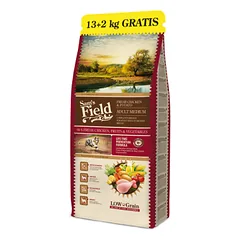
Sam's Field
1,80 €/kg
26,99 € / 15 kg

Country Dog
1,89 €/kg
28,29 € / 15 kg
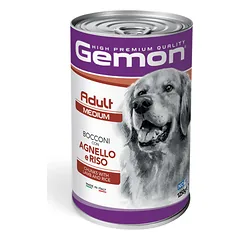
Gemon
1,94 €/kg
2,42 € / 1,3 kg
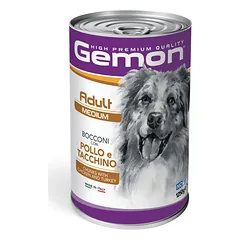
Gemon
1,94 €/kg
2,42 € / 1,3 kg
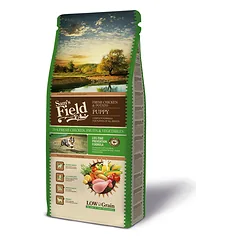
Sam's Field
2,11 €/kg
27,45 € / 13 kg

2,14 €/kg
30,00 € / 14 kg
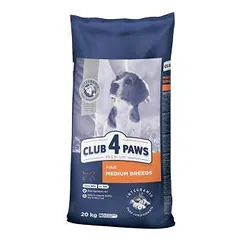
Club 4 Paws
2,15 €/kg
42,99 € / 20 kg