

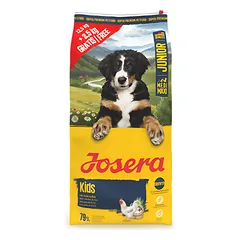
Josera
Josera Kids 12,5kg + 2,5kg = 15 kg
1,38 €/kg
37,89 € / 27,5 kg

Also known as: Pharaoh Dog, Pharoah breed
The Pharaoh Hound is Malta's national breed, used for centuries to course rabbits by sight and scent together through the island's dense scrubland. Despite the name, the link to Egyptian pharaohs is more legend than proven genetics, since DNA studies suggest the breed is more recent than once assumed. The short, smooth coat and lean frame, up to 25 kilograms, suit fast sprinting in a hot climate. A distinctive quirk: the dog blushes visibly around the nose and ears when excited or happy. Temperamentally it is playful but keeps a strong chase instinct toward small animals. Life expectancy runs 11 to 14 years.
Browse dog food sized right for this breed
Pharaoh Hound: how old in human years?
Energy level
Trainability
Family friendly
Grooming need
Males 56–63.5 cm
Females 53–61 cm
Males 20–25 kg
Females 18–23 kg
Pharaoh Hound's average temperament and family-life score for this breed is moderate.
Pharaoh Hound's energy and exercise needs are high.
Pharaoh Hound's guarding and alertness traits are low.
Pharaoh Hound's grooming needs are low.
When a Pharaoh Hound is happy, its ears and nose flush pink: it simply blushes, like a person. You will see it when you come home, when you pick up the lead and when it spots a rabbit beyond the fence. In Malta these dogs traditionally hunted rabbits, following them by sight and by scent, so anything that moves is an invitation to run.
It needs a daily chance to stretch out in a securely fenced space, plus long walks on the lead. Let loose in open country it can vanish over the horizon, and a fence that seemed tall enough may be cleared without much effort. It learns well but independently: repetition bores it quickly, so lessons need to be short and fun. It barks little.
Indoors a Pharaoh Hound is calm, clean and affectionate; it loves its family and gets on with children who treat it gently. With strangers it is reserved at first, but it will never make a guard dog. It usually gets along with other dogs, while cats call for caution given its strong hunting instinct. After a good gallop it will happily stretch out somewhere warm and stay there all evening.
A Pharaoh Hound's short, smooth coat gleams like polished copper and needs almost nothing: once a week, a rubber mitt over the whole dog, and you are done. Shedding is light, and there is hardly any of the doggy smell some breeds are known for. The skin matters more: it is thin, so as the mitt moves, feel for scratches, scrapes or lumps.
This dog comes from sunny Malta, so a northern winter feels cold to it; in frost and rain a coat is a necessity rather than a fashion statement. Those huge upright ears are easy to check: look inside once a week to make sure they are clean and odour-free. Wipe the corners of the eyes with a damp cloth, and take a red or watering eye to the vet.
The Pharaoh Hound is lean, supple and built for speed, and it generally lives eleven to fourteen years. A few joint and eye conditions, as well as cancer, are linked to the breed, so it is worth knowing what to watch for. If you notice anything unusual, show your dog to a vet, who will decide what comes next.
This is general information, not veterinary advice. For your own dog's health, tests and treatment, see a vet.
This is a fault in how the elbow or hip joints develop: the parts don't fit together properly, so the joint wears over time. You might notice your dog limping after a run, getting up stiffly or avoiding jumps. A Pharaoh Hound moves fast and turns sharply, so sound joints matter; if you are getting a puppy, ask the breeder about the parents' health testing.
The kneecap sometimes slips out of its groove and the leg briefly locks. Mid-run, your dog may carry a hind leg in the air for a few strides, then carry on as if nothing happened. If you notice that skip, describe it to your vet.
This covers a wide range of eye conditions, from eyelid and tear problems to changes in the lens or retina. A Pharaoh Hound hunts with its eyes as well as its nose, so you will notice if it starts bumping into things at dusk or no longer tracks movement as quickly as before. Show a red, cloudy or watering eye to the vet.
Cancer is the umbrella term for diseases in which the body's cells begin to multiply out of control. On a Pharaoh Hound's short, smooth coat new lumps and swellings are easy to feel, so let your hands run over the whole body when you stroke it. Show any new lump, unexplained weight loss or a sore that won't heal to your vet; only a vet can tell what it is.
This list is chosen by the breed's weight (25 kg) rather than the breed itself: shops label food by dog size, so every breed of the same size gets the same list. Prices are updated daily.
≈ 295 g of dry food a day, from €16,14 a month For a neutered, normally active 21,5 kg dog. Calculate for your dog
Josera
1,38 €/kg
37,89 € / 27,5 kg
Sam's Field
1,80 €/kg
26,99 € / 15 kg

Country Dog
1,89 €/kg
28,29 € / 15 kg
Club 4 Paws
1,92 €/kg
26,94 € / 14 kg
Diamant
1,93 €/kg
28,99 € / 15 kg
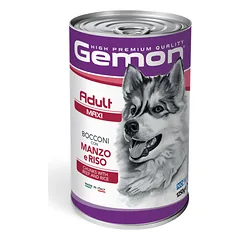
Gemon
1,94 €/kg
2,42 € / 1,3 kg
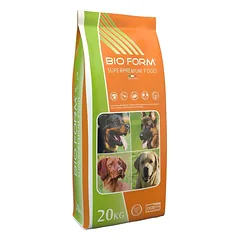
BIO FORM
2,00 €/kg
40,00 € / 20 kg

BIO FORM
2,00 €/kg
40,00 € / 20 kg