

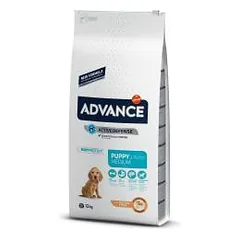
Advance
Advance Puppy Medium sausas maistas vidutinių veislių šuniukams, 12 kg
1,48 €/kg
17,76 € / 12 kg

Also known as: Nordic Spitz, Pohjanpystykorva
The Norrbottenspets comes from the Norrbotten region on the Swedish-Finnish border, where farmers used it to hunt marten and capercaillie in the northern forests. The breed nearly died out in the mid-20th century once fur hunting lost its economic importance, and it survived only through the efforts of a small group of dedicated enthusiasts. The short, harsh double coat handles serious cold with minimal grooming needed. A male weighs up to 15 kilograms, compact and agile, built for long hunts through deep snow. Temperament runs lively and vocal, signaling treed game with loud barking rather than a silent point. Life expectancy runs 12 to 16 years.
Browse dog food sized right for this breed
Norrbottenspets: how old in human years?
Energy level
Trainability
Family friendly
Grooming need
Males 45–47 cm
Females 42–44 cm
Males 12–15 kg
Females 9–12 kg
Norrbottenspets's average temperament and family-life score for this breed is moderate.
Norrbottenspets's energy and exercise needs are high.
Norrbottenspets's guarding and alertness traits are moderate.
Norrbottenspets's grooming needs are low.
A bird lands in a tree, and below it stands a small white-and-tan dog barking, loud and rhythmic, eyes fixed on the branch. That is the job the Norrbottenspets did for centuries in the forests of northern Sweden: find the bird, hold it there with his voice and tell the hunter where to come. The heritage has not gone anywhere. Your dog will be alert and curious, will spot the squirrel in the garden before you do, and will happily announce it to the whole street.
He is compact but no lapdog. He needs long walks every day, ideally in woods or fields where there is something to sniff and investigate. He learns willingly when sessions are short and interesting, but he has opinions of his own, especially when something is moving in the treetops. Let him off the lead in open country only once his recall is genuinely reliable, because the hunting instinct in this breed runs very strong.
At home he is gentle, attached to his people and good with children, and he greets strangers loudly but without malice. He usually gets along with other dogs, though a cat or rabbit in the yard may look to him like work. Well walked and kept busy, he can live calmly in a flat; it just helps if the neighbours know your dog has things to say.
The Norrbottenspets wears a coat built for a northern forest: a short, harsh outer layer over a dense undercoat that keeps him warm and stops the wet reaching his skin. It asks very little of you. A brush or rubber mitt once a week is enough for most of the year. When the seasonal moult arrives, the undercoat comes out in tufts, so brush a few times a week then and accept that dark trousers will collect a few hairs anyway.
Baths can be rare: mud does not cling to this coat and drops off once it dries. After a walk in the woods, check his feet and run a hand through the coat for ticks. The pricked ears air well, but glance inside them once a week, and trim his nails when you hear them clicking on the floor.
We don't have reliable health information specific to this breed, so we don't list conditions here. Keep up regular vet check-ups, and if you are getting a puppy, ask the breeder about the parents' health testing.
This is general information, not veterinary advice. For your own dog's health, tests and treatment, see a vet.
This list is chosen by the breed's weight (15 kg) rather than the breed itself: shops label food by dog size, so every breed of the same size gets the same list. Prices are updated daily.
≈ 190 g of dry food a day, from €10,42 a month For a neutered, normally active 12 kg dog. Calculate for your dog
Advance
1,48 €/kg
17,76 € / 12 kg
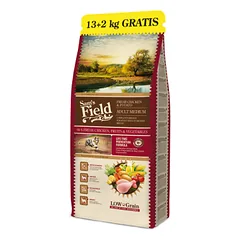
Sam's Field
1,80 €/kg
26,99 € / 15 kg

Country Dog
1,89 €/kg
28,29 € / 15 kg
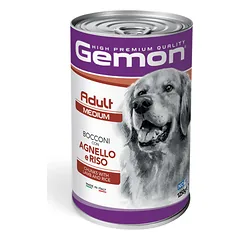
Gemon
1,94 €/kg
2,42 € / 1,3 kg
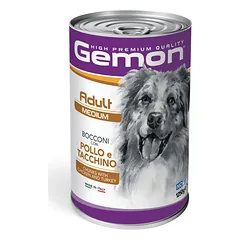
Gemon
1,94 €/kg
2,42 € / 1,3 kg
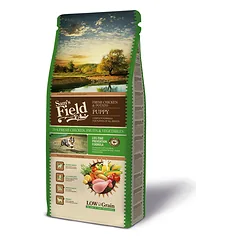
Sam's Field
2,11 €/kg
27,45 € / 13 kg
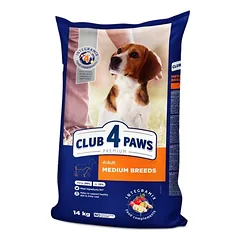
2,14 €/kg
30,00 € / 14 kg
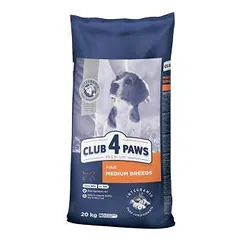
Club 4 Paws
2,15 €/kg
42,99 € / 20 kg