

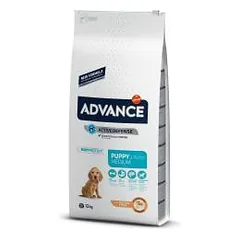
Advance
Advance Puppy Medium sausas maistas vidutinių veislių šuniukams, 12 kg
1,48 €/kg
17,76 € / 12 kg

Also known as: Lapland Reindeer Dog, Reindeer Herder
The Lapponian Herder comes from northern Finland, where the Sami people used it to herd reindeer across wide stretches of tundra and forest. Herding reindeer calls for a different style than herding sheep, the dog works from a distance using voice and movement rather than close pressure at the heels. The medium-length double coat handles the northern climate well, and grooming stays relatively manageable. A male weighs up to 24 kilograms, agile and built for full days of outdoor work. Temperament runs hardworking and loyal, and without a task it can grow restless, so regular physical and mental work matters. Life expectancy runs 12 to 14 years.
Browse dog food sized right for this breed
Lapponian Herder: how old in human years?
Energy level
Trainability
Family friendly
Grooming need
Males 47–51 cm
Females 43–47 cm
Males 18–24 kg
Females 15–21 kg
Lapponian Herder's average temperament and family-life score for this breed is high.
Lapponian Herder's energy and exercise needs are moderate.
Lapponian Herder's guarding and alertness traits are moderate.
Lapponian Herder's grooming needs are moderate.
In the garden it keeps doing the rounds, as if taking a headcount: children, present; cat, present; the neighbour's dog behind the fence, too close, must be reported. The Lapponian Herder worked with reindeer herds in the far north of Finland, and that job is still alive in it: it is quick, tireless, alert and happiest with something to do. It needs plenty of exercise every day, and not only for its legs; scent games, tricks or agility tire its mind as much as a long hike tires its body.
It is clever and keen to cooperate, so training is a pleasure, as long as the sessions are varied rather than dull repetition. Barking is a working tool for a herder, used to move a herd, so it will happily announce everything it notices; teaching it to settle is worth starting in puppyhood. It can live in a flat if it gets enough to do, but it is happiest in a house with a garden and an owner who enjoys being outdoors in any weather.
With its family it is friendly and affectionate, with children patient and playful, with other dogs usually easygoing, and once strangers have passed the first inspection it greets them openly. It is no guard dog: it will announce a visitor loudly and leave it at that. Now and then it may try to gather running children or other animals into a tidy group; that isn't bad temper but an echo of its ancestors' work, and you can calmly redirect it into a game.
The Lapponian Herder has a double coat: a straight, fairly harsh outer coat over a dense, soft undercoat that keeps out Arctic cold and sleet. In ordinary times a brush-through once or twice a week is enough, paying most attention to behind the ears, the neck and the trousers, where the undercoat mats first. It sheds heavily, though, and once or twice a year the undercoat comes out in such quantities that you'll be brushing daily for a few weeks, or tumbleweeds of fluff will roll through the house.
The coat handles weather well and stays fairly clean on its own, so frequent baths aren't needed; dried mud mostly drops out when you brush. There's no need to clip a double coat, as the undercoat insulates against both winter cold and summer heat. After winter walks, check the paws for balls of snow between the pads and trim the hair that grows there, and keep the nails short.
We don't have reliable health information specific to this breed, so we don't list conditions here. Keep up regular vet check-ups, and if you are getting a puppy, ask the breeder about the parents' health testing.
This is general information, not veterinary advice. For your own dog's health, tests and treatment, see a vet.
This list is chosen by the breed's weight (24 kg) rather than the breed itself: shops label food by dog size, so every breed of the same size gets the same list. Prices are updated daily.
≈ 275 g of dry food a day, from €15,00 a month For a neutered, normally active 19,5 kg dog. Calculate for your dog
Advance
1,48 €/kg
17,76 € / 12 kg
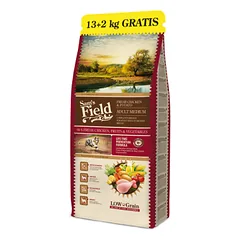
Sam's Field
1,80 €/kg
26,99 € / 15 kg

Country Dog
1,89 €/kg
28,29 € / 15 kg
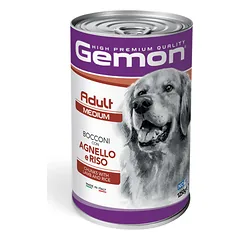
Gemon
1,94 €/kg
2,42 € / 1,3 kg
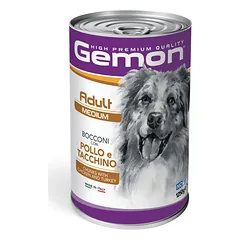
Gemon
1,94 €/kg
2,42 € / 1,3 kg

Sam's Field
2,11 €/kg
27,45 € / 13 kg
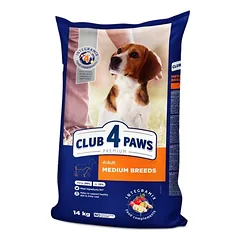
2,14 €/kg
30,00 € / 14 kg
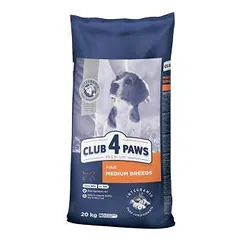
Club 4 Paws
2,15 €/kg
42,99 € / 20 kg