

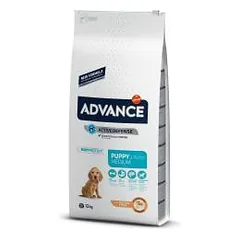
Advance
Advance Puppy Medium sausas maistas vidutinių veislių šuniukams, 12 kg
1,48 €/kg
17,76 € / 12 kg

Also known as: Tora Inu
The Kai Ken developed in the isolated mountains of Japan's Yamanashi prefecture, hunting boar and deer for centuries with almost no outside crossbreeding, which left it one of the genetically purest native Japanese types. An adult weighs up to 18 kilograms on a lean, muscular frame built for scrambling up steep mountain terrain. The medium-length double coat usually shows a brindled pattern the Japanese call tora, meaning tiger. The breed stayed largely unknown outside its home province for a long time before being designated a national natural monument in the 20th century. It retains a strong prey drive and will chase down small animals with no training at all. It tends to be close and loyal with its own family but naturally reserved with strangers. Life expectancy runs 12 to 15 years.
Browse dog food sized right for this breed
Kai Ken: how old in human years?
Energy level
Trainability
Family friendly
Grooming need
Males 45–55 cm
Females 43–50 cm
Males 14–18 kg
Females 11–15 kg
Kai Ken's average temperament and family-life score for this breed is moderate.
Kai Ken's energy and exercise needs are high.
Kai Ken's guarding and alertness traits are moderate.
Kai Ken's grooming needs are low.
You won't meet many Kai Ken in Europe, and when you do, you'll probably know him by his brindle coat: stripes of brown, black and red that look brushed on by hand. This hunter from Japan's mountains is agile, quick and very much his own dog. He has plenty of energy and needs good exercise every day: long walks, hikes and games that make him think as well as run. His hunting drive is very strong, so off-lead time belongs only in securely fenced spaces.
He is deeply loyal to his family but shows it quietly, without gushing. Strangers are watched from a distance and not offered friendship in a hurry, and other dogs, unfamiliar ones especially, aren't always welcome. He is alert and will let you know when something is off, yet he barks very little. He learns when he feels respected and sees the point: short sessions, consistency and treats work, while harshness only closes the door.
Early, patient socialisation pays off: the more calm meetings with people and dogs he has as a youngster, the easier life is for him later. A flat can work, but only if he gets real exercise and something to do every day. His perfect day is a long hike with you, after which he settles quietly in a corner of the room where he can keep an eye on the whole family.
The Kai Ken wears a double coat: a harsher outer layer over a soft, dense undercoat that keeps out mountain wind and cold. For much of the year a weekly comb-through is plenty, and dried mud brushes out easily. A coat like this turns over a few times a year, though, and then the undercoat comes out in such quantities you could almost knit a second dog. During those weeks, go through it daily with an undercoat rake or comb and you'll find far less of it around the house.
He rarely needs a bath: tidy as a cat, he keeps himself presentable, and shampoo only dries the coat out for nothing. Check his ears and teeth once a week, and trim his nails when they start clicking on the floor. After forest walks, run your hands over his body, since ticks hide easily in a coat this thick.
We don't have reliable health information specific to this breed, so we don't list conditions here. Keep up regular vet check-ups, and if you are getting a puppy, ask the breeder about the parents' health testing.
This is general information, not veterinary advice. For your own dog's health, tests and treatment, see a vet.
This list is chosen by the breed's weight (18 kg) rather than the breed itself: shops label food by dog size, so every breed of the same size gets the same list. Prices are updated daily.
≈ 220 g of dry food a day, from €12,01 a month For a neutered, normally active 14,5 kg dog. Calculate for your dog
Advance
1,48 €/kg
17,76 € / 12 kg
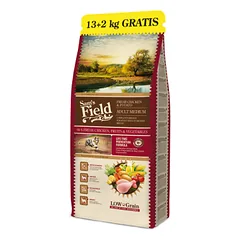
Sam's Field
1,80 €/kg
26,99 € / 15 kg

Country Dog
1,89 €/kg
28,29 € / 15 kg
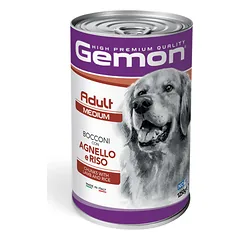
Gemon
1,94 €/kg
2,42 € / 1,3 kg
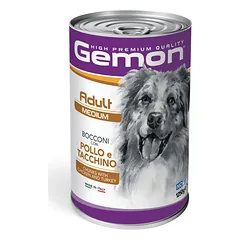
Gemon
1,94 €/kg
2,42 € / 1,3 kg
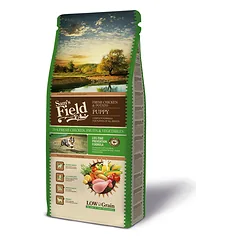
Sam's Field
2,11 €/kg
27,45 € / 13 kg
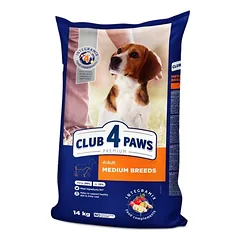
2,14 €/kg
30,00 € / 14 kg
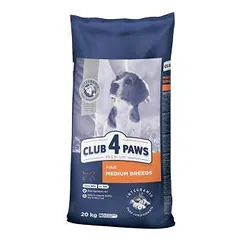
Club 4 Paws
2,15 €/kg
42,99 € / 20 kg