

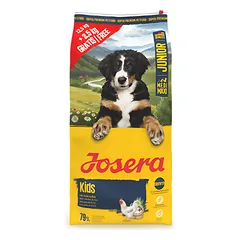
Josera
Josera Kids 12,5kg + 2,5kg = 15 kg
1,38 €/kg
37,89 € / 27,5 kg

Also known as: Hungarian Vizsla, Vizla, Hungarian Pointer
Hungarian nobility bred this dog from the Middle Ages for hunting, first with bow and later with gun, prizing its sharp nose and ability to work equally well on land and in water. The golden rust, single-layer short coat is so distinctive that in Hungary the breed is nicknamed the red aristocrat. The frame is lean, up to 30 kilograms, built for stamina rather than sprinting. It bonds so tightly to its owner that English speakers often call it the velcro dog, and it copes badly with being left alone for long stretches. It needs at least an hour of real exercise daily. Gentle with children and friendly rather than suspicious with strangers. Life expectancy runs 12 to 14 years.
Browse dog food sized right for this breed
Hungarian Vizsla (Short-haired): how old in human years?
Energy level
Trainability
Family friendly
Grooming need
Males 58–64 cm
Females 54–60 cm
Males 20–30 kg
Females 18–25 kg
Hungarian Vizsla (Short-haired)'s average temperament and family-life score for this breed is high.
Hungarian Vizsla (Short-haired)'s energy and exercise needs are high.
Hungarian Vizsla (Short-haired)'s guarding and alertness traits are moderate.
Hungarian Vizsla (Short-haired)'s grooming needs are low.
If you work from home, you'll soon have a colleague: your Vizsla will rest his chin on your knee, on your keyboard or squarely on the page you're reading, and gaze at you as if a world without a walk were unbearable. This Hungarian hunting dog was made to work the fields all day, so he needs a lot of exercise every single day: long hikes, off-lead running, swimming, search games. Half an hour round the block is only the opening act, and an under-exercised Vizsla quickly invents hobbies of his own.
Training him is a real joy: he hangs on your every word, learns fast and badly wants to please. He is sensitive, though, so a harsh tone does more harm than good, while gentle consistency, games and praise open every door. His hunting instinct is strong, so work on recall patiently and for a long time, and in a meadow full of birds the lead will stay your best friend for a good while yet.
At home a Vizsla hates being left out and wants a part in everything you do, from the kitchen to the sofa. He gets on well with children and other dogs, though a young, bouncy one can bowl a toddler over by accident. He is a little reserved with strangers at first but thaws quickly, and he will announce every visitor with a bark. Long hours shut in alone are hard on him, so this is a dog for people who spend plenty of time at home or outdoors.
A Vizsla's coat is short, dense and close-lying with no undercoat, which makes grooming genuinely simple. Once a week, run a rubber mitt or soft brush over him: you'll lift out the modest amount of loose hair and the golden-rust colour will gleam as if freshly polished. Baths are rarely needed, as this coat carries very little doggy smell; rinsing the mud off his legs after a romp through wet meadows is enough. Such a thin coat doesn't keep much warmth in, so on a cold, wet winter day he will happily wear a jacket.
With so little hair you can see the skin easily, so after a run through the undergrowth check him for scratches, ticks, grass seeds or red patches. Floppy ears get less air and hold on to water after a swim in the pond, so look inside once a week: clean and not smelly is what you want, and a damp cloth on the outer part is enough. The corners of his eyes should be clean, without redness or discharge, and trim his nails when you hear them clicking on the floor.
A lean, muscled body, a coat the colour of rust and the stamina to quarter fields all day long: the Hungarian Vizsla is built to move and tends to look like health itself. Still, a few things are worth knowing in advance, because the breed asks you to keep a closer eye on joints, eyes, thyroid and the nervous system. Know the signs and you will spot changes in time and get them to your vet while there is still a lot that can be done.
This is general information, not veterinary advice. For your own dog's health, tests and treatment, see a vet.
A developmental problem of the hip: as the dog grows, the ball and socket don't form quite right, so the joint moves unevenly and wears over time. You might notice your Vizsla getting up more slowly after a long rest, thinking twice before jumping into the car, or running with both hind legs pushing off together like a rabbit. For a dog who lives to run, sound hips mean a great deal, so ask the breeder about the parents' health testing.
An inherited disease in which the cells of the retina gradually waste away and sight fades step by step. The first thing owners notice is a dog who turns hesitant at dusk or in the dark, pausing at the stairs or bumping into things he easily avoids by day, with eyes that look unusually shiny after nightfall. It doesn't hurt, which makes it easy to miss, so talk to your vet about any change in his sight, and if you are getting a puppy, ask the breeder about the parents' health testing.
With hypothyroidism the thyroid gland makes too little of the hormones that run the metabolism, so the whole body starts working in slow motion. A lively Vizsla turns sluggish, would rather lie than run, puts on weight while eating no more than before, seeks out warm spots, and his coat may thin and lose its shine. When a dog with this much drive slows down for no clear reason, it is time for a vet visit, and a blood test will tell.
Epilepsy is a brain disorder that causes repeated seizures. During one a dog may fall onto his side, go rigid, paddle his legs, drool or lose consciousness, and beforehand he sometimes seems confused or restless. If your Vizsla has a seizure, especially the first one, a long one or several in a row, he needs a vet immediately, and if you are getting a puppy, ask the breeder about the parents' health.
This list is chosen by the breed's weight (30 kg) rather than the breed itself: shops label food by dog size, so every breed of the same size gets the same list. Prices are updated daily.
≈ 315 g of dry food a day, from €17,15 a month For a neutered, normally active 23,3 kg dog. Calculate for your dog
Josera
1,38 €/kg
37,89 € / 27,5 kg
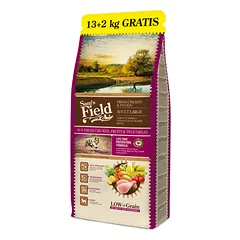
Sam's Field
1,80 €/kg
26,99 € / 15 kg

Country Dog
1,89 €/kg
28,29 € / 15 kg
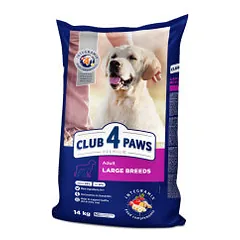
Club 4 Paws
1,92 €/kg
26,94 € / 14 kg
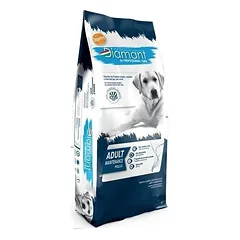
Diamant
1,93 €/kg
28,99 € / 15 kg
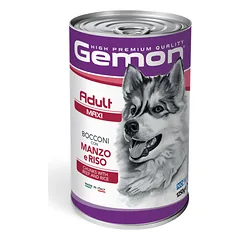
Gemon
1,94 €/kg
2,42 € / 1,3 kg
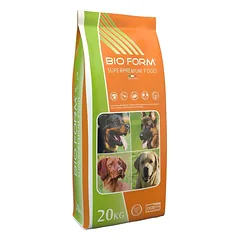
BIO FORM
2,00 €/kg
40,00 € / 20 kg
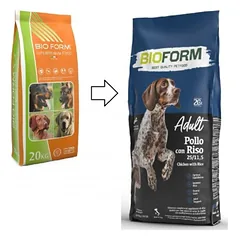
BIO FORM
2,00 €/kg
40,00 € / 20 kg