

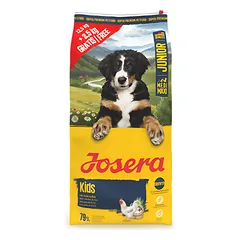
Josera
Josera Kids 12,5kg + 2,5kg = 15 kg
1,38 €/kg
37,89 € / 27,5 kg

Also known as: Hamilton Hound, Swedish Foxhound
The Hamiltonstövare is named after Adolf Patrik Hamilton, founder of the Swedish Kennel Club, who developed the breed in the late nineteenth century by crossing German and Swiss hounds. Its tricolour coat of black, tan and white is the breed's calling card, and the coat itself is short and dense, easy to maintain. An adult male can weigh up to 27 kilograms, built to work alone, trailing fox or hare at a slow but relentless pace. In Sweden it ranks among the most respected hunting breeds, though it is rarely seen outside the country. It is calm indoors but becomes intensely focused and hard to distract once on a scent outdoors. It bays while working, so it needs room to roam rather than city apartment living. Nose and patience matter more here than raw speed. Life expectancy runs 12 to 13 years.
Browse dog food sized right for this breed
Hamiltonstovare: how old in human years?
Energy level
Trainability
Family friendly
Grooming need
Males 50–60 cm
Females 46–57 cm
Males 23–27 kg
Females 20–24 kg
Hamiltonstovare's average temperament and family-life score for this breed is high.
Hamiltonstovare's energy and exercise needs are moderate.
Hamiltonstovare's guarding and alertness traits are low.
Hamiltonstovare's grooming needs are low.
Three colours laid out as if with a ruler: a black mantle on the back, brown on the head and legs, white on the chest and feet. The Hamiltonstovare is a Swedish hunting hound, named after its founder, Count Hamilton, and bred to work hare or fox on its own, giving voice so the hunter knows where the action is.
Outdoors it is tireless and keen: it needs long daily walks with plenty of sniffing, and a chance to run in a securely fenced space. Tracking, search games or canicross will please it far more than a lap of the block. Prey drive and hunting instinct are strong, so on a fresh scent it can suddenly go deaf to your calls; recall takes patient training, and in open country a long line is the wiser choice. It learns reasonably well, but an independent hunter listens to its nose first, so treats and consistency work better than strictness.
Indoors it is a different dog: calm, gentle and very attached to its family, good with children and with other dogs. It greets strangers calmly, without much suspicion, and won't make a guard. A flat is cramped for it, especially if it is left alone for long; it does best with a family that has a garden and a taste for long walks in the woods.
The Hamiltonstovare has a short, dense coat with a thick undercoat for winter: it was made for Swedish forests, not grooming salons, and it is easy to keep. Once a week, go over it with a rubber brush or grooming mitt to lift out dead hair and spread the natural oils. It sheds little, though the brush is worth reaching for more often at the turn of the seasons. Baths can be rare, saved for the days it rolls in something it found in the woods.
The ears and paws need more attention than the coat. The hanging ears stay damp after rain or a swim, so lift them once a week and look inside; redness, discharge or a bad smell is a reason to see a vet. After long forest walks check the pads and between the toes for scrapes and stuck needles, and trim the nails if they don't wear down on their own.
We don't have reliable health information specific to this breed, so we don't list conditions here. Keep up regular vet check-ups, and if you are getting a puppy, ask the breeder about the parents' health testing.
This is general information, not veterinary advice. For your own dog's health, tests and treatment, see a vet.
This list is chosen by the breed's weight (27 kg) rather than the breed itself: shops label food by dog size, so every breed of the same size gets the same list. Prices are updated daily.
≈ 315 g of dry food a day, from €17,25 a month For a neutered, normally active 23,5 kg dog. Calculate for your dog
Josera
1,38 €/kg
37,89 € / 27,5 kg
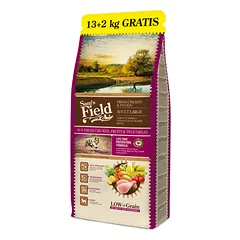
Sam's Field
1,80 €/kg
26,99 € / 15 kg

Country Dog
1,89 €/kg
28,29 € / 15 kg
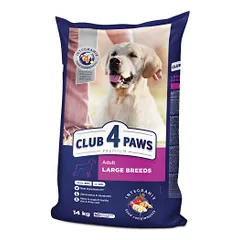
Club 4 Paws
1,92 €/kg
26,94 € / 14 kg
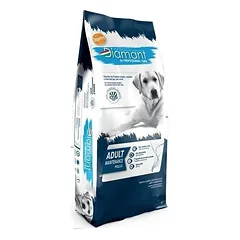
Diamant
1,93 €/kg
28,99 € / 15 kg
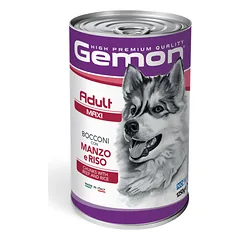
Gemon
1,94 €/kg
2,42 € / 1,3 kg

BIO FORM
2,00 €/kg
40,00 € / 20 kg
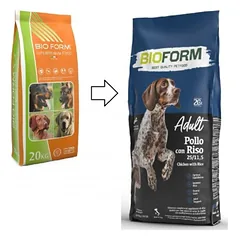
BIO FORM
2,00 €/kg
40,00 € / 20 kg