

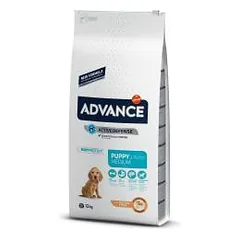
Advance
Advance Puppy Medium sausas maistas vidutinių veislių šuniukams, 12 kg
1,48 €/kg
17,76 € / 12 kg

In France's Brittany region this breed descends from old griffon lines once used to hunt wolves, later repurposed for boar and hare once wolves disappeared from the area. The wiry, fawn colored coat lets the dog push through dense brush without tearing up its skin. The frame is medium, up to 20 kilograms, muscular and built for stamina. The breed nearly vanished in the 20th century and was rebuilt by dedicated breeders from a handful of surviving dogs. The voice is used actively while working a trail. It's an independent working dog that needs an experienced owner and a lot of physical exercise. Life expectancy runs 12 to 14 years.
Browse dog food sized right for this breed
Griffon Fauve de Bretagne: how old in human years?
Energy level
Trainability
Family friendly
Grooming need
Males 48–56 cm
Females 48–56 cm
Males 18–20 kg
Females 16–18 kg
Griffon Fauve de Bretagne's average temperament and family-life score for this breed is moderate.
Griffon Fauve de Bretagne's energy and exercise needs are high.
Griffon Fauve de Bretagne's guarding and alertness traits are low.
Griffon Fauve de Bretagne's grooming needs are low.
Mornings with a Griffon Fauve de Bretagne start with the nose. It's already at work before you reach the gate, and the walk turns into an investigation in which you are merely the escort at the other end of the lead. He is a compact but sturdy and very energetic hound who needs long daily exercise and even longer sniffing. A good day for him means a few hours outside: woods, fields, tracking games. After a day like that he is calm and content indoors; without it he will look for something to do, and he will find it.
The prey drive is very strong, so off-lead freedom belongs in fenced areas. He can learn and he is no fool, but he has opinions, so short sessions, treats and patience will get you further than a raised voice. Be ready for his voice too: he likes to bark and to tell you about things in that hound way, especially when he is bored.
With his family he is affectionate and cheerful, patient with children and generally easy-going with other dogs. Strangers get a calm, polite reception, neither gushing nor hostile; he is no guard dog. A flat doesn't suit him. He is happiest in a house with a garden, with people who would rather spend a weekend on a forest path than on the sofa.
Run your fingers along a Griffon Fauve de Bretagne's back and it feels like a stiff brush: harsh, dry and fairly short. A coat like that shrugs off brambles and rain, and dried mud mostly just falls out of it. Once a week, go over it with a firm brush to remove the dead hair. Shedding is light and the coat isn't clipped; if you want a tidier look, the old hair can be plucked out by hand now and then, which is best learned from an experienced groomer.
He rarely needs a bath, and shampoo only softens that wiry texture. What does deserve a weekly look are the drop ears, especially after walks through wet grass, and the little beard, which keeps a record of every meal. After each trip into the countryside, run your hands over his whole body: ticks and thorns love to hide in this coat.
We don't have reliable health information specific to this breed, so we don't list conditions here. Keep up regular vet check-ups, and if you are getting a puppy, ask the breeder about the parents' health testing.
This is general information, not veterinary advice. For your own dog's health, tests and treatment, see a vet.
This list is chosen by the breed's weight (20 kg) rather than the breed itself: shops label food by dog size, so every breed of the same size gets the same list. Prices are updated daily.
≈ 260 g of dry food a day, from €14,13 a month For a neutered, normally active 18 kg dog. Calculate for your dog
Advance
1,48 €/kg
17,76 € / 12 kg
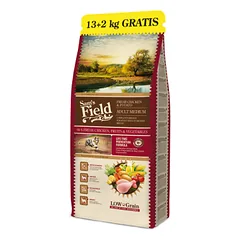
Sam's Field
1,80 €/kg
26,99 € / 15 kg

Country Dog
1,89 €/kg
28,29 € / 15 kg
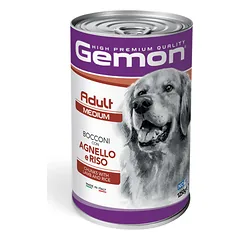
Gemon
1,94 €/kg
2,42 € / 1,3 kg
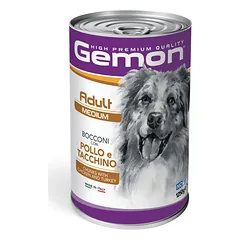
Gemon
1,94 €/kg
2,42 € / 1,3 kg

Sam's Field
2,11 €/kg
27,45 € / 13 kg

2,14 €/kg
30,00 € / 14 kg

Club 4 Paws
2,15 €/kg
42,99 € / 20 kg