

Josera
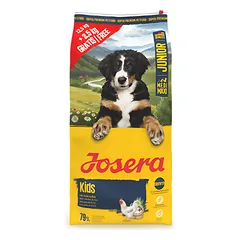
Josera Kids 12,5kg + 2,5kg = 15 kg
1,38 €/kg
37,89 € / 27,5 kg

Also known as: Langhaar, Deutscher Langhaariger
The German Longhaired Pointer is one of the oldest German pointing types, with roots going back to falconry dogs used to track birds before firearms existed. The long, moderately dense, slightly wavy coat with feathering on the legs and tail gives it an elegant but still functional look. Males can weigh up to 30 kilograms, with a sturdy build made for long working days outdoors. It's less well known than its short-haired relative and rarely seen outside Germany. Temperament runs calm and driven, trains well, and bonds closely with its handler. The coat needs regular brushing, especially during shedding periods. Life expectancy runs 10 to 12 years.
Browse dog food sized right for this breed
German Longhaired Pointer: how old in human years?
Energy level
Trainability
Family friendly
Grooming need
Males 63–66 cm
Females 60–63 cm
Males 25–30 kg
Females 20–27 kg
German Longhaired Pointer's average temperament and family-life score for this breed is moderate.
German Longhaired Pointer's energy and exercise needs are high.
German Longhaired Pointer's guarding and alertness traits are moderate.
German Longhaired Pointer's grooming needs are moderate.
At six in the morning, while you are still hunting for your slippers, a German Longhaired Pointer is already at the door, looking as if the day might be wasted otherwise. This is a versatile German hunting dog, bred to search, point and retrieve, so the nose, the hunting instinct and the urge to work are all strong, and the need for exercise is very high: not a lap of the block, but hours in fields, forest or water.
He is clever and keen to learn, especially when the training feels like work: scent games, retrieving, tracking. With his family he is devoted and good with children, he usually gets on with other dogs, and he meets strangers with reserve rather than hostility. Small animals, however, look like something else entirely to him, so off-lead time belongs in safe places and only with a solid recall.
A flat is a squeeze for him, and a garden is no substitute for daily work. He suits active people who hunt, run or spend their weekends outdoors; give him that, and in the evening he becomes a calm, warm and thoroughly contented companion by the fire.
The long, fairly dense, slightly wavy coat shines beautifully in the sun, and after a woodland walk it brings half the woodland home: burrs, pine needles, dry grass seeds. Shedding is moderate, but the coat needs more care than its short-haired cousins', so reach for a brush and a wide-toothed comb a few times a week, and always after a day in the fields.
Work carefully through the feathering on the ears, legs and tail, where knots form, and between the toes, where seeds like to lodge. The long drop ears deserve a look and a towel after a wet day outdoors, and the coat a proper drying before anyone settles on the sofa.
We don't have reliable health information specific to this breed, so we don't list conditions here. Keep up regular vet check-ups, and if you are getting a puppy, ask the breeder about the parents' health testing.
This is general information, not veterinary advice. For your own dog's health, tests and treatment, see a vet.
This list is chosen by the breed's weight (30 kg) rather than the breed itself: shops label food by dog size, so every breed of the same size gets the same list. Prices are updated daily.
≈ 335 g of dry food a day, from €18,35 a month For a neutered, normally active 25,5 kg dog. Calculate for your dog
Josera
1,38 €/kg
37,89 € / 27,5 kg
Sam's Field
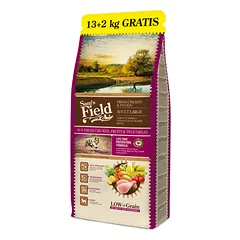
1,80 €/kg
26,99 € / 15 kg

Country Dog
1,89 €/kg
28,29 € / 15 kg

Club 4 Paws
1,92 €/kg
26,94 € / 14 kg
Diamant
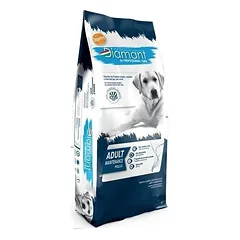
1,93 €/kg
28,99 € / 15 kg
Gemon
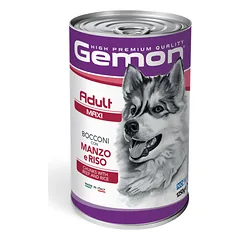
1,94 €/kg
2,42 € / 1,3 kg

BIO FORM
2,00 €/kg
40,00 € / 20 kg

BIO FORM
2,00 €/kg
40,00 € / 20 kg