


Bloodhound vs English Foxhound
Compare two breeds
Pick two breeds to see them compared side by side.
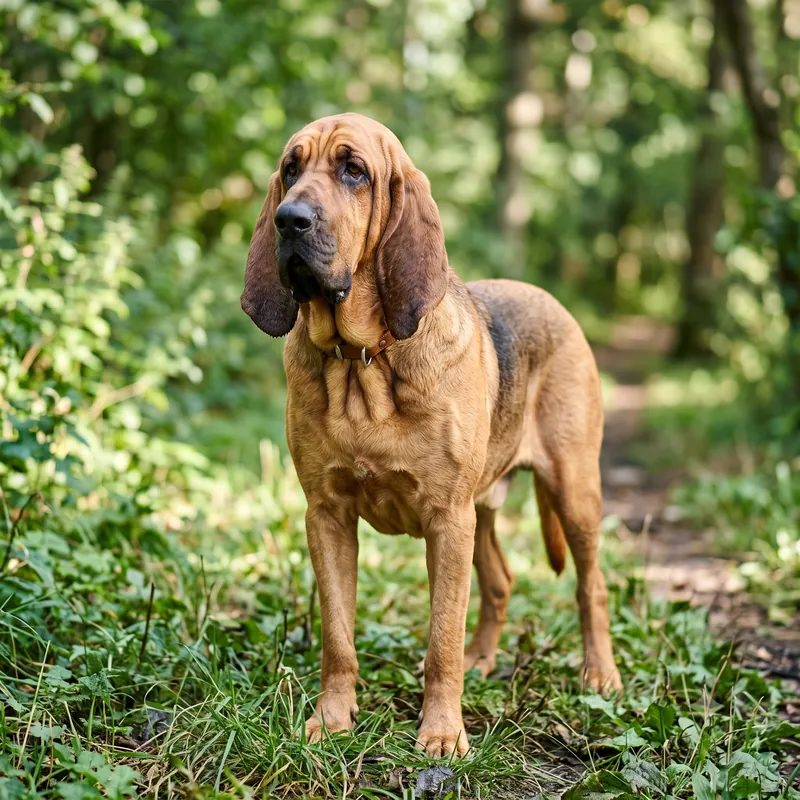
Bloodhound
One of the oldest and most scent-sensitive breeds in existence, its ancestry traces to medieval monasteries in Belgium, which is where the breed's other name, Saint-Hubert, comes from. The long, drooping ears and loose facial skin help trap scent particles in the air, a design that's kept the breed in active use for law enforcement trailing work for decades. The body is large, up to 50 kilograms, and the gait is slow but relentless, capable of following a trail for hours. Drooling comes with the territory given the loose lips. The temperament is calm and friendly despite the imposing look. Once it locks onto a scent, pulling it off that trail is genuinely difficult. Life expectancy runs 10 to 12 years.
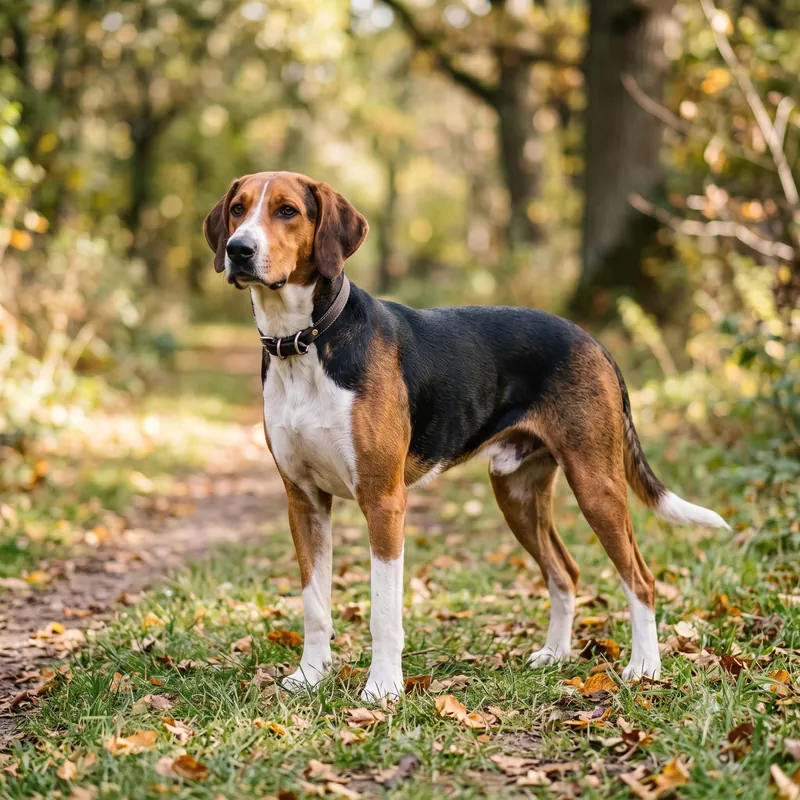
English Foxhound
The English Foxhound was bred for centuries not as an individual family dog but as a pack animal, hunting fox alongside mounted riders in a tradition that stretches back to the sixteenth century. That history is why the breed still does best in a large group rather than alone at home. The short, dense coat needs minimal grooming, but the breed is a poor fit for apartment life given its very high exercise needs. An adult male can reach 34 kilograms, built for stamina, able to run for hours alongside horses across open country. Its voice is loud and far-carrying, meant to be heard by a mounted rider during a hunt. Temperament is friendly but independent, hard to manage without firm training, since the breed is conditioned to follow its own instincts rather than human commands. Genuine Foxhound pets remain rare today; most still work with hunting packs. Life expectancy runs 10 to 13 years.
At a glance
| Bloodhound | English Foxhound | |
|---|---|---|
| Height (male) | 63.0–69.0 cm | 58.0–64.0 cm |
| Weight (male) | 41.0–50.0 kg | 29.0–34.0 kg |
| Life expectancy | 10–12 yrs | 10–13 yrs |
| Coat | short, dense | short, dense |
Temperament & Family Life
| Bloodhound | English Foxhound | |
|---|---|---|
| Family friendly | ||
| Good with children | ||
| Good with other dogs | ||
| Friendly with strangers | ||
| Intelligence | ||
| Trainability |
Exercise, Energy & Space
| Bloodhound | English Foxhound | |
|---|---|---|
| Energy level | ||
| Exercise need | ||
| Apartment friendly | ||
| Prey drive | ||
| Hunting instinct |
Guarding & Alertness
| Bloodhound | English Foxhound | |
|---|---|---|
| Guarding instinct | ||
| Watchfulness | ||
| Barking level |
Grooming & Care
| Bloodhound | English Foxhound | |
|---|---|---|
| Shedding | ||
| Drooling | ||
| Grooming need |
Temperament and care scores (1-5) are a general guide based on the breed standard — every individual dog is different.