


Basset Hound vs Otterhound
Compare two breeds
Pick two breeds to see them compared side by side.
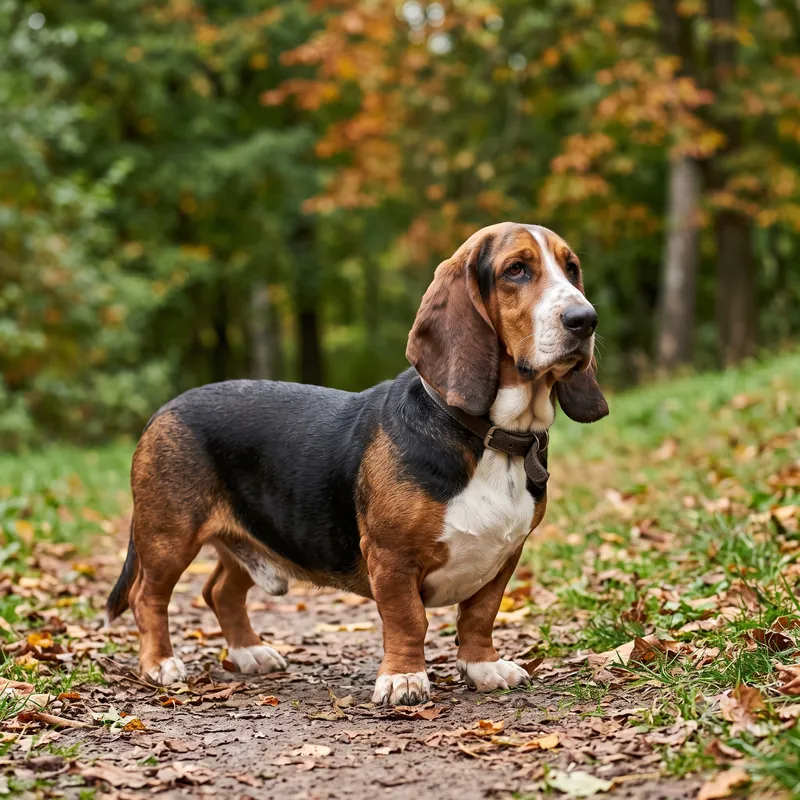
Basset Hound
The Basset Hound originated in France, developed in the nineteenth century to hunt hare at a walking pace so hunters on foot could keep up, though it was later refined and popularised further in Britain. The short, bowed legs come from chondrodysplasia, the same genetic trait behind the wrinkled skin, and it's a feature rather than a flaw: it keeps the dog moving slowly but tirelessly over hours on a trail. Its sense of smell ranks second only to the Beagle's among all breeds. An adult male can weigh up to 29 kilograms despite the low stance, with a long, heavy body. The long, drooping ears help funnel scent particles toward the nose but need regular cleaning to avoid infection. Temperament is calm and stubborn, hard to motivate without food as an incentive. Back problems are a real health concern given the ratio of long body to short legs. Life expectancy runs 10 to 12 years.
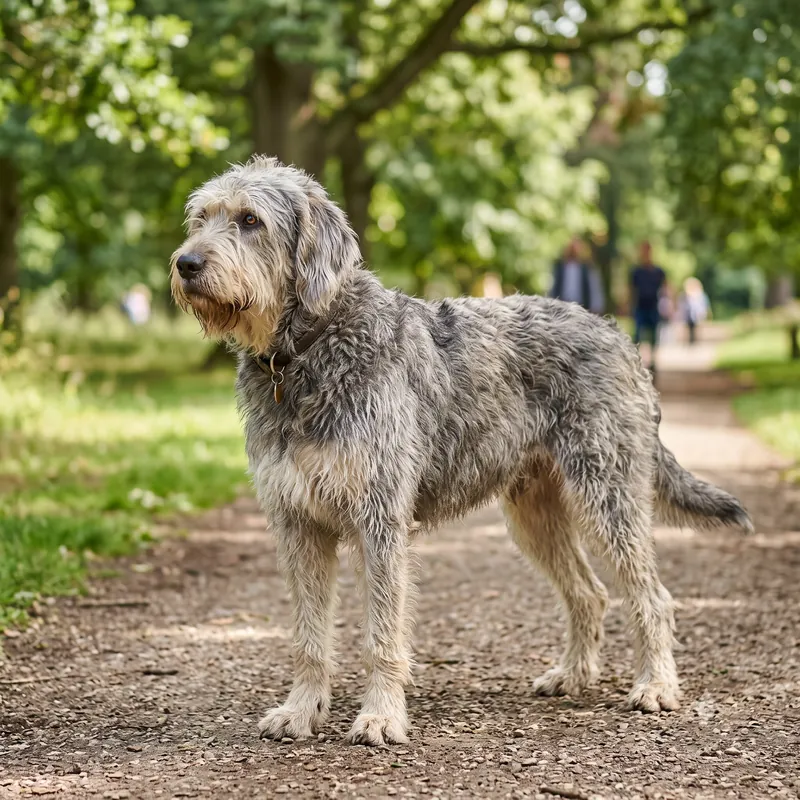
Otterhound
The Otterhound was bred in England to hunt otters, once regarded as pests that damaged river fisheries, and that job explains almost everything about the breed's build. The rough double coat with its oily, water-resistant outer layer sheds water, while webbed feet let it swim nearly as efficiently as it runs on land. When otter hunting was banned in Britain in 1978, the breed lost its original purpose and is now among the rarest in the world, with fewer than a thousand living dogs. A male can weigh up to 52 kilograms, large but not clumsy, built for long swims in cold water. A deep, carrying bark was a genuine working asset, audible over noisy river currents at distance. Life expectancy runs 10 to 13 years.
At a glance
| Basset Hound | Otterhound | |
|---|---|---|
| Height (male) | 33.0–38.0 cm | 61.0–69.0 cm |
| Weight (male) | 23.0–29.0 kg | 30.0–52.0 kg |
| Life expectancy | 10–12 yrs | 10–13 yrs |
| Coat | short, smooth | rough, double, harsh outer coat |
Temperament & Family Life
| Basset Hound | Otterhound | |
|---|---|---|
| Family friendly | ||
| Good with children | ||
| Good with other dogs | ||
| Friendly with strangers | ||
| Intelligence | ||
| Trainability |
Exercise, Energy & Space
| Basset Hound | Otterhound | |
|---|---|---|
| Energy level | ||
| Exercise need | ||
| Apartment friendly | ||
| Prey drive | ||
| Hunting instinct |
Guarding & Alertness
| Basset Hound | Otterhound | |
|---|---|---|
| Guarding instinct | ||
| Watchfulness | ||
| Barking level |
Grooming & Care
| Basset Hound | Otterhound | |
|---|---|---|
| Shedding | ||
| Drooling | ||
| Grooming need |
Temperament and care scores (1-5) are a general guide based on the breed standard — every individual dog is different.