


Australian Cattle Dog vs Belgian Shepherd Dog
Compare two breeds
Pick two breeds to see them compared side by side.
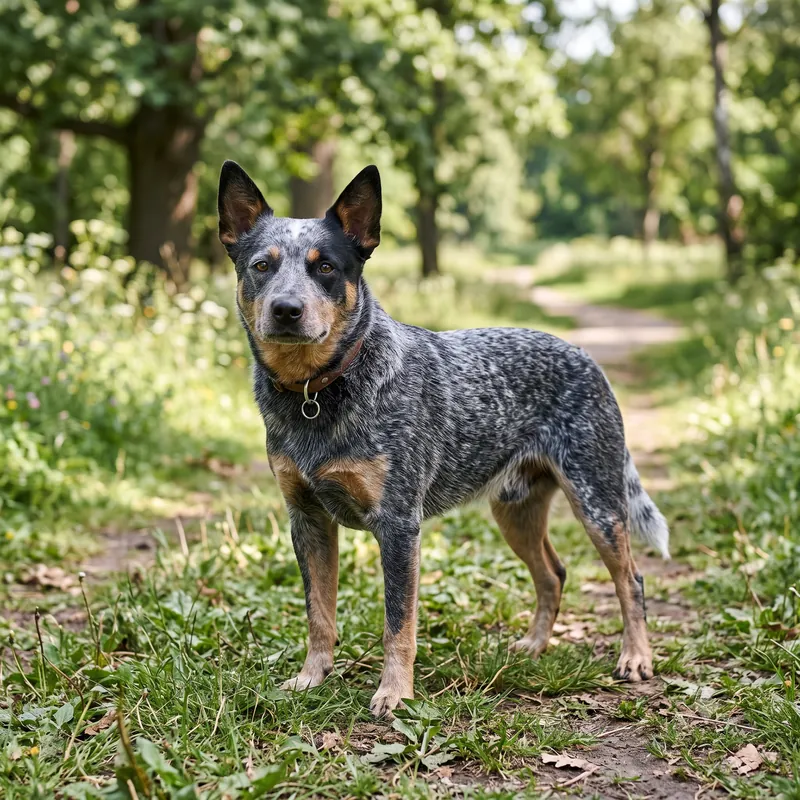
Australian Cattle Dog
The Australian Cattle Dog was developed in the 19th century to drive cattle across vast, hot Australian terrain, crossing dingoes with Scottish herding breeds and other working stock. The dingo blood explains not just its heat tolerance but a distinctive working style, the dog controls a herd by nipping at heels rather than barking or body-blocking. The short, dense double coat reflects heat and shrugs off dust, so upkeep stays simple. A male weighs up to 22 kilograms, compact but remarkably tireless, able to work a full day. This is a breed that demands serious physical and mental outlet, and without one it often invents its own job, sometimes nipping at the heels of running children. Life expectancy runs 12 to 15 years.
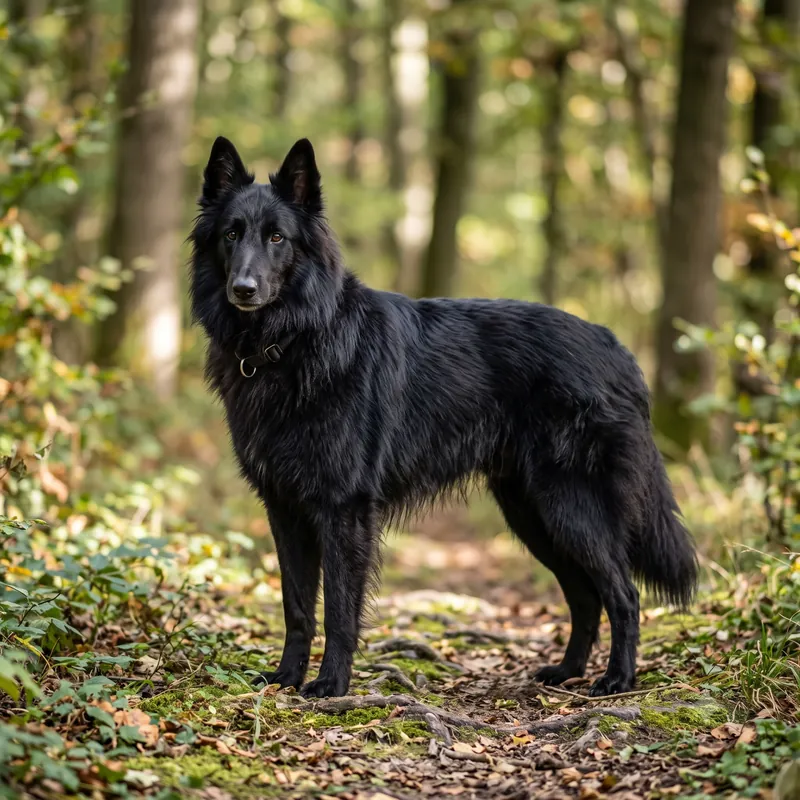
Belgian Shepherd Dog
In the late 19th century Belgian breeders unified various regional herding dogs into one breed with four coat varieties, long haired, short haired, rough haired and a fourth distinguished by color and texture. A male can weigh up to 30 kilograms on an athletic, agile frame built for a full day herding and guarding livestock. Belgium's police and military began using the breed as early as the start of the 20th century, and that working legacy still shows in its energy and sharp reactions today. The double coat sheds seasonally but heavily, so it needs regular brushing, particularly in spring and autumn. Without enough mental and physical work this dog can become anxious or destructive. With family it tends to be deeply loyal, though it can be reserved or even wary around strangers. Life expectancy runs 12 to 14 years.
At a glance
| Australian Cattle Dog | Belgian Shepherd Dog | |
|---|---|---|
| Height (male) | 46.0–51.0 cm | 60.0–66.0 cm |
| Weight (male) | 15.0–22.0 kg | 25.0–30.0 kg |
| Life expectancy | 12–15 yrs | 12–14 yrs |
| Coat | short, dense double coat | double coat; four varieties (long/short/wire haired) |
Temperament & Family Life
| Australian Cattle Dog | Belgian Shepherd Dog | |
|---|---|---|
| Family friendly | ||
| Good with children | ||
| Good with other dogs | ||
| Friendly with strangers | ||
| Intelligence | ||
| Trainability |
Exercise, Energy & Space
| Australian Cattle Dog | Belgian Shepherd Dog | |
|---|---|---|
| Energy level | ||
| Exercise need | ||
| Apartment friendly | ||
| Prey drive | ||
| Hunting instinct |
Guarding & Alertness
| Australian Cattle Dog | Belgian Shepherd Dog | |
|---|---|---|
| Guarding instinct | ||
| Watchfulness | ||
| Barking level |
Grooming & Care
| Australian Cattle Dog | Belgian Shepherd Dog | |
|---|---|---|
| Shedding | ||
| Drooling | ||
| Grooming need |
Temperament and care scores (1-5) are a general guide based on the breed standard — every individual dog is different.