

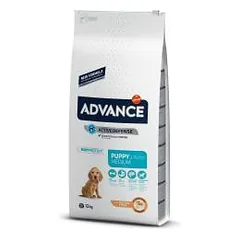
Advance
Advance Puppy Medium sausas maistas vidutinių veislių šuniukams, 12 kg
1,48 €/kg
17,76 € / 12 kg

In Spain's Catalonia region this breed spent centuries herding sheep along the Pyrenees foothills, working independently without constant human direction. The long, shaggy coat, thick enough to cover the eyes, protected it against cold and rough mountain weather. The frame is medium sized, up to 22 kilograms, agile and built for long working days in the field. The breed nearly disappeared during the Spanish Civil War, and dedicated breeders rebuilt the population from surviving village dogs. The coat needs regular brushing to prevent matting. The temperament is intelligent and work driven, needing consistent engagement. Close with family, cautious with strangers. Life expectancy runs 12 to 14 years.
Browse dog food sized right for this breed
Catalan Sheepdog: how old in human years?
Energy level
Trainability
Family friendly
Grooming need
Males 47–55 cm
Females 45–53 cm
Males 18–22 kg
Females 18–22 kg
Catalan Sheepdog's average temperament and family-life score for this breed is moderate.
Catalan Sheepdog's energy and exercise needs are moderate.
Catalan Sheepdog's guarding and alertness traits are moderate.
Catalan Sheepdog's grooming needs are low.
From under that shaggy fringe, two eyes are watching everything: who opened the gate, where the child has wandered off to, and why the neighbour's cat is in the garden again. The Catalan Sheepdog was bred on the slopes of the Pyrenees to herd sheep, independently and far from the shepherd, and that clever, watchful herding mind is fully intact. It needs daily exercise and even more work for its head: long walks, games, tricks, scent work or agility.
It learns quickly and willingly when it feels you are working together rather than giving orders; dull repetition is more likely to teach it to invent its own version. It is devoted to its family and good with children, though it may try to herd them into a tidy group at a birthday party. It is reserved with strangers at first, polite with other dogs, and will announce every arrival loudly and clearly.
A flat isn't ideal, though it can cope if it gets proper exercise every day; a house with a garden and an active family suit it far better. Left alone with nothing to do, it goes looking for work, and a herding dog's idea of housework ends in chewed shoes and a garden where not a single leaf has gone uncounted.
The Catalan Sheepdog's coat is long, harsh and shaggy, with a fringe falling over the eyes, and it is what will take up most of your grooming time. Get a brush and a wide-toothed comb into it at least a few times a week and work right down to the skin, especially behind the ears, in the armpits and on the hind legs, where the hair mats most readily. A harsh coat sheds dirt fairly well: once mud has dried it brushes out, so baths are rare.
It doesn't shed much, so there will be less hair on the sofa than its looks suggest, but the dead hair stays in the coat and tangles unless you comb it out. After a walk in the woods, check the paws and beard, where burrs and seeds love to lodge, and lift the fringe to make sure the eyes are clean. Look into the ears, hidden under all that hair, once a week; redness or a smell is a reason to see a vet.
We don't have reliable health information specific to this breed, so we don't list conditions here. Keep up regular vet check-ups, and if you are getting a puppy, ask the breeder about the parents' health testing.
This is general information, not veterinary advice. For your own dog's health, tests and treatment, see a vet.
This list is chosen by the breed's weight (22 kg) rather than the breed itself: shops label food by dog size, so every breed of the same size gets the same list. Prices are updated daily.
≈ 280 g of dry food a day, from €15,29 a month For a neutered, normally active 20 kg dog. Calculate for your dog
Advance
1,48 €/kg
17,76 € / 12 kg
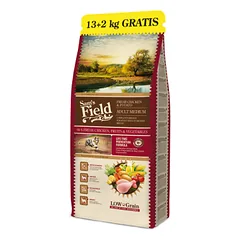
Sam's Field
1,80 €/kg
26,99 € / 15 kg

Country Dog
1,89 €/kg
28,29 € / 15 kg
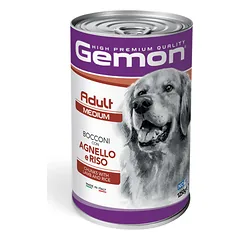
Gemon
1,94 €/kg
2,42 € / 1,3 kg
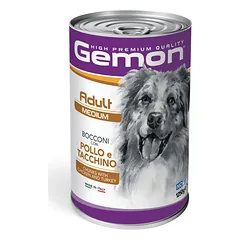
Gemon
1,94 €/kg
2,42 € / 1,3 kg
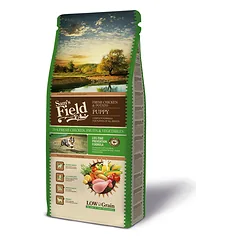
Sam's Field
2,11 €/kg
27,45 € / 13 kg
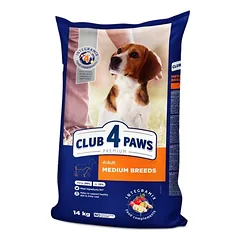
2,14 €/kg
30,00 € / 14 kg
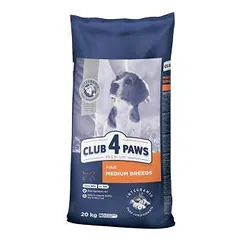
Club 4 Paws
2,15 €/kg
42,99 € / 20 kg