

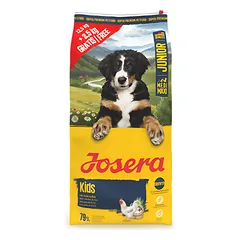
Josera
Josera Kids 12,5kg + 2,5kg = 15 kg
1,38 €/kg
37,89 € / 27,5 kg

The Wolfspitz, known in the Netherlands as the Keeshond, was a popular Dutch barge dog in the 18th century, guarding cargo and homes along the canals. The distinctive spectacle markings around the eyes and the dense, grey-toned coat give the breed an easily recognizable look. Males can weigh up to 30 kilograms, with a long double coat that needs steady brushing, especially through shedding season. The breed became historically tied to the Dutch Patriot party, which caused its popularity to swing with the political tide for a time. Temperament runs friendly and devoted, this dog tends to want to stay near its family as much as possible. It's reserved with strangers but not aggressive. Life expectancy runs 13 to 15 years.
Browse dog food sized right for this breed
Wolfspitz (Keeshond): how old in human years?
Energy level
Trainability
Family friendly
Grooming need
Males 43–55 cm
Females 43–55 cm
Males 20–30 kg
Females 17–25 kg
Wolfspitz (Keeshond)'s average temperament and family-life score for this breed is high.
Wolfspitz (Keeshond)'s energy and exercise needs are moderate.
Wolfspitz (Keeshond)'s guarding and alertness traits are moderate.
Wolfspitz (Keeshond)'s grooming needs are moderate.
The Keeshond once rode the barges of Dutch rivers as watchdog and companion, and his main job to this day is being close to his people. Moderate exercise suits him: a couple of good walks a day, some play in the garden or park, and the chance to take part in family life. He is as happy in a flat as in a house, provided the neighbours can live with his opinion of every passer-by.
He is clever, sensitive and eager to learn when training is cheerful and never harsh. Praise and treats work better than a stern voice, and he loves anything that lets him show off, from tricks to obedience exercises. Teach him an early, calm "thanks, that's enough" after the first bark, because an alert watchdog without brakes soon becomes the alarm clock for the whole building.
In the family the Keeshond is pure sunshine: devoted, playful, patient with children and friendly with other dogs. Strangers get a loud announcement first and then a curious sniff, with no aggression in him. He dislikes being left alone for long, so he is happiest in a home where somebody is around more often than not.
The Keeshond wears a double coat: long, harsh guard hairs that stand off the body and a dense, soft undercoat, together making that fluffy-cloud outline with its generous ruff. Once or twice a week, brush against the lie of the hair, layer by layer, right down to the skin, paying extra attention behind the ears, on the trousers and under the tail. The undercoat sheds all year, and once or twice a year it comes out in earnest, when grey clumps turn up even where the dog has never been; brush daily during those weeks. There is no need to clip or shave this coat, which protects him from cold and heat alike.
As you brush, look at the skin: it shouldn't be red or flaky, and mats keep the air off it. His small, upright ears get plenty of air, but look inside once a week: clean and not smelly is what you want. The eyes behind those spectacles should be clear, without discharge or redness. Trim the hair between his paw pads so he doesn't slip, and so snow doesn't ball up in it.
Dark lines run from the corners of his eyes to his ears like a pair of spectacles, and the Keeshond peers at the world through them as though seeing everything for the first time. This sturdy, long-lived medium-sized dog is a solid companion, but it pays to know about his hips, his knees and his parathyroid glands. You'll learn the signs quickly, and regular vet check-ups, with the occasional blood test, help catch what can't be seen from the outside.
This is general information, not veterinary advice. For your own dog's health, tests and treatment, see a vet.
A developmental problem of the hip: as the puppy grows, the ball and socket don't form quite right, so the joint moves unevenly and wears over time. A Keeshond's fluffy coat hides his gait well, so watch for other clues: getting up more slowly, reluctance on the stairs or hesitating before jumping onto the sofa. If you are getting a puppy, ask the breeder about the parents' health testing.
The kneecap should glide in its groove, and when it slips out to the side the leg briefly locks up. You may see your Keeshond skip along on three legs for a few steps, one hind leg held up, then carry on as if nothing happened. The skip may look minor, but it is worth showing to your vet so the knee can be assessed.
Tiny parathyroid glands in the neck regulate the calcium in the blood, and when one of them starts making too much hormone, calcium levels rise. The changes come slowly: a Keeshond may drink more and ask to go out more, become sluggish, eat less, and sometimes there is blood in his urine. What it means is for your vet to determine, and if you are getting a puppy, ask the breeder about the parents' health testing.
This list is chosen by the breed's weight (30 kg) rather than the breed itself: shops label food by dog size, so every breed of the same size gets the same list. Prices are updated daily.
≈ 310 g of dry food a day, from €16,98 a month For a neutered, normally active 23 kg dog. Calculate for your dog
Josera
1,38 €/kg
37,89 € / 27,5 kg

Sam's Field
1,80 €/kg
26,99 € / 15 kg

Country Dog
1,89 €/kg
28,29 € / 15 kg
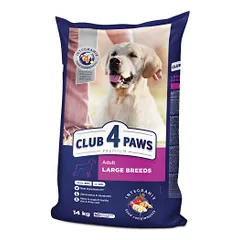
Club 4 Paws
1,92 €/kg
26,94 € / 14 kg
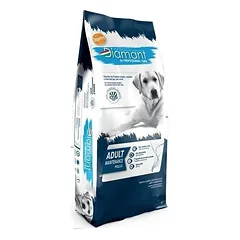
Diamant
1,93 €/kg
28,99 € / 15 kg
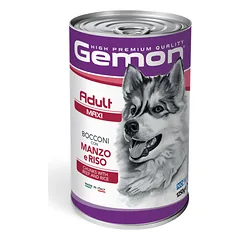
Gemon
1,94 €/kg
2,42 € / 1,3 kg

BIO FORM
2,00 €/kg
40,00 € / 20 kg

BIO FORM
2,00 €/kg
40,00 € / 20 kg