

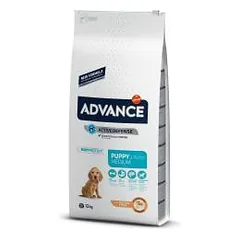
Advance
Advance Puppy Medium sausas maistas vidutinių veislių šuniukams, 12 kg
1,48 €/kg
17,76 € / 12 kg

Also known as: Balkanbracke
The Serbian Hound, long grouped together with the Balkan Hound, was only officially split into its own breed in 1996, distinguishing it from Bosnian and other neighbouring hound types. The coat is short and dense, usually a reddish tan without white markings, which sets it apart from its Balkan cousin. An adult male weighs around 20 kilograms, built for long hours of hunting across Serbia's mountainous, forested terrain. The breed is valued for its persistence trailing game even over difficult ground, where both strength and stamina matter. Its voice is meant to tell the hunter which direction the game is heading, so it can be noticeably loud indoors. Temperament is independent, better suited to outdoor work than to a purely indoor life. Socialisation matters, since the breed descends from working lines rather than family companions. Life expectancy runs 12 to 14 years.
Browse dog food sized right for this breed
Serbian Hound: how old in human years?
Energy level
Trainability
Family friendly
Grooming need
Males 44–54 cm
Females 44–54 cm
Males 16–20 kg
Females 16–20 kg
Serbian Hound's average temperament and family-life score for this breed is moderate.
Serbian Hound's energy and exercise needs are high.
Serbian Hound's guarding and alertness traits are moderate.
Serbian Hound's grooming needs are low.
The rust-coloured dog with the black saddle is already restless while you are still looking for your boots, because he knows that outside the door there are smells, and every one of them is a story. The Serbian Hound was bred in the Balkans to follow hare, fox or boar through hilly forest for a long time and with a lot of noise, and his energy reserves are built for that: tireless, quick and always ready for one more kilometre.
He needs a few hours of real exercise every day, ideally the kind that puts his nose to work. He learns reasonably well when sessions are short, varied and rewarded, but once he catches a scent he can forget everything he was ever taught. His prey drive and hunting instinct are very strong, so off-lead running belongs in fenced areas, and cats and small animals are too much of a temptation. His voice is loud and he uses it gladly.
With his family he is affectionate and loyal, he usually gets on well with other dogs, and he is reserved with strangers and will certainly announce a visitor, though he is no real guard. He suits children who understand that a dog isn't a toy. A flat and long hours alone don't suit him; he does best with a hunter or an active family in the countryside, with a fenced garden and weekends in the woods.
The Serbian Hound's coat is short, dense and slightly coarse, with an undercoat that keeps out the wind and damp of Balkan mountain forests. A coat like this hardly ever tangles and sheds little, so a weekly once-over with a firm brush or a rubber mitt is enough, a little more often during the spring and autumn moult. Bathe only when it's really needed: once dry, mud brushes out of this coat on its own.
After every walk through the undergrowth check the ears, neck and armpits for ticks, and look over the paw pads. Lift the ears and look inside them weekly; redness, discharge or a bad smell is a reason to see a vet. Trim the nails if gravel and forest paths don't wear them down.
We don't have reliable health information specific to this breed, so we don't list conditions here. Keep up regular vet check-ups, and if you are getting a puppy, ask the breeder about the parents' health testing.
This is general information, not veterinary advice. For your own dog's health, tests and treatment, see a vet.
This list is chosen by the breed's weight (20 kg) rather than the breed itself: shops label food by dog size, so every breed of the same size gets the same list. Prices are updated daily.
≈ 260 g of dry food a day, from €14,13 a month For a neutered, normally active 18 kg dog. Calculate for your dog
Advance
1,48 €/kg
17,76 € / 12 kg
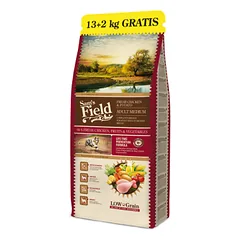
Sam's Field
1,80 €/kg
26,99 € / 15 kg

Country Dog
1,89 €/kg
28,29 € / 15 kg
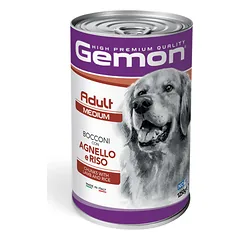
Gemon
1,94 €/kg
2,42 € / 1,3 kg
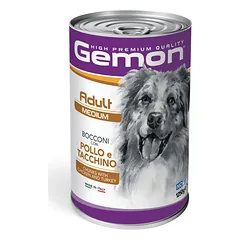
Gemon
1,94 €/kg
2,42 € / 1,3 kg
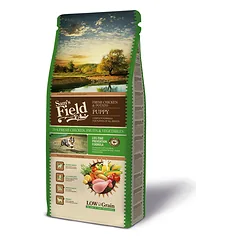
Sam's Field
2,11 €/kg
27,45 € / 13 kg
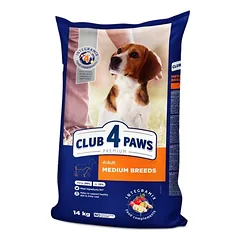
2,14 €/kg
30,00 € / 14 kg
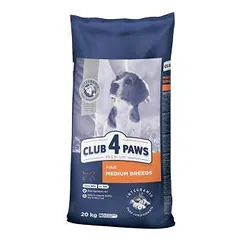
Club 4 Paws
2,15 €/kg
42,99 € / 20 kg