


VetExpert
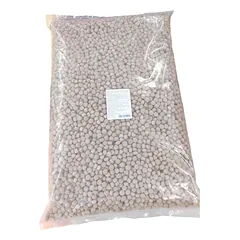
Raw Paleo Dog Ultra Mini Puppy Beef 750 kg
0,02 €/kg
13,09 € / 750 kg

The Kleinspitz is one of the smaller size varieties of the German Spitz, weighing only around 6 kilograms but carrying the same dense double coat and alert temperament as its larger relatives. The breed descends from the old Torfspitz, kept as a household watchdog across Central Europe since medieval times. Small size doesn't dampen the bark, this dog tends to sound off loudly at every unfamiliar noise or stranger at the door. The coat needs regular brushing to keep the dense undercoat from matting. Temperament runs lively, curious, and tightly bonded to its owner. Despite its small stature it doesn't see itself as a small dog, and will stand its ground against much larger ones. Life expectancy runs 14 to 16 years.
Browse dog food sized right for this breed
German Spitz (Kleinspitz): how old in human years?
Energy level
Trainability
Family friendly
Grooming need
Males 23–29 cm
Females 23–29 cm
Males 3–6 kg
Females 3–6 kg
German Spitz (Kleinspitz)'s average temperament and family-life score for this breed is moderate.
German Spitz (Kleinspitz)'s energy and exercise needs are moderate.
German Spitz (Kleinspitz)'s guarding and alertness traits are moderate.
German Spitz (Kleinspitz)'s grooming needs are moderate.
The doorbell rings, and before you are even out of your chair your Kleinspitz has informed the whole flat, the stairwell and possibly the street that someone is here. This is his calling: alert, loud and deeply convinced of the importance of his job. Start working on the barking in his first weeks with you, teaching him to announce once and then settle, or thin walls can strain relations with the neighbours. Otherwise he is a superb indoor dog: small, clean and happy wherever his people are.
He needs exercise, but not much of it: two or three walks a day, a ball game down the hallway and a bit of sniffing will keep him entirely content. Give his brain more work than his legs; he can learn a whole repertoire of tricks if the lessons are short, cheerful and paid in treats. He is wary of strangers, so introduce him to all sorts of people from puppyhood, so that his alertness doesn't tip into nerves.
In a family the Kleinspitz attaches deeply and likes to be the centre of attention. He gets on with children who are gentle and understand that a dog this small can be hurt falling from arms or a sofa. With other dogs he is generally friendly, though he has far more courage than centimetres, so with bigger dogs you will sometimes need to rein him in.
The Kleinspitz wears a double coat: long, harsh guard hairs that stand away from the body over a dense, cotton-soft undercoat, which together create that powder-puff outline. He sheds generously, especially when the undercoat changes, and you will find his hair on dark trousers, on the rug and occasionally in your mug. Brush a few times a week and daily during a moult, right down to the skin and against the lie of the hair, paying particular attention behind the ears, under the armpits and on the fluffy trousers, where the undercoat tangles first. Don't shave this coat, since a shaved undercoat can grow back unevenly and lose its original texture.
Brushing is a good chance to check the skin: part the coat and look for redness or flakes. Look inside the small upright ears once a week to see that they are clean and don't smell. The eyes should be clear and bright; wipe away any tear marks underneath with a damp cloth. Keep the nails trimmed, because a small dog who walks mainly on soft surfaces hardly wears them down at all.
A few kilograms of fluff with a fox's face and a tail curled over the back: among small dogs the Kleinspitz is a long-lived one, and you can look forward to many years together. Like other little dogs, he is worth watching around the airway, the knees and the eyes. None of that means trouble is coming, just that knowing the signs makes it easier to notice changes in good time.
This is general information, not veterinary advice. For your own dog's health, tests and treatment, see a vet.
The trachea is the tube that carries air to the lungs, and when its rings of cartilage soften it can flatten and get in the way of breathing. The classic sign is a dry, loud cough that sounds like a goose honking, especially when the dog is excited, has just had a drink or pulls on the lead. It is worth knowing about in a small spitz, and if the gums turn blue during a coughing fit or he collapses, he needs a vet immediately.
The kneecap is a little bone at the front of the knee that should glide in its groove but can pop out to the side. When it does, your Kleinspitz runs a few steps on three legs with a back leg held up, then a moment later is off again as if nothing happened. For such a small dog who loves leaping onto sofas, ask the breeder about the parents' health testing, and show a recurring skip to your vet.
An inherited disease in which the retina at the back of the eye slowly wastes away, so sight fades, first in dim light and later in daylight too. You might notice your spitz reluctant to go out into the garden in the evening, bumping into things in a dark room or hesitating on stairs. Dogs adapt remarkably well and live happily on nose and ears, but ask the breeder about the parents' health testing and talk to your vet about any change in sight.
This list is chosen by the breed's weight (6 kg) rather than the breed itself: shops label food by dog size, so every breed of the same size gets the same list. Prices are updated daily.
≈ 91 g of dry food a day, from €5,00 a month For a neutered, normally active 4,5 kg dog. Calculate for your dog
VetExpert
0,02 €/kg
13,09 € / 750 kg
1,70 €/kg
17,02 € / 10 kg

Real Dog
1,78 €/kg
17,79 € / 10 kg
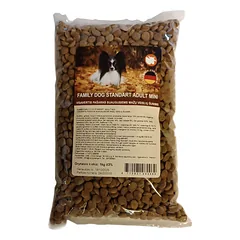
Family Dog
1,89 €/kg
1,89 € / 1 kg

Club 4 Paws
1,93 €/kg
26,99 € / 14 kg

Club 4 Paws
1,93 €/kg
26,99 € / 14 kg

Real Dog
1,94 €/kg
19,42 € / 10 kg
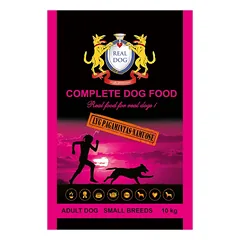
Real Dog
1,95 €/kg
19,49 € / 10 kg