


Akita vs Shiba Inu
Compare two breeds
Pick two breeds to see them compared side by side.
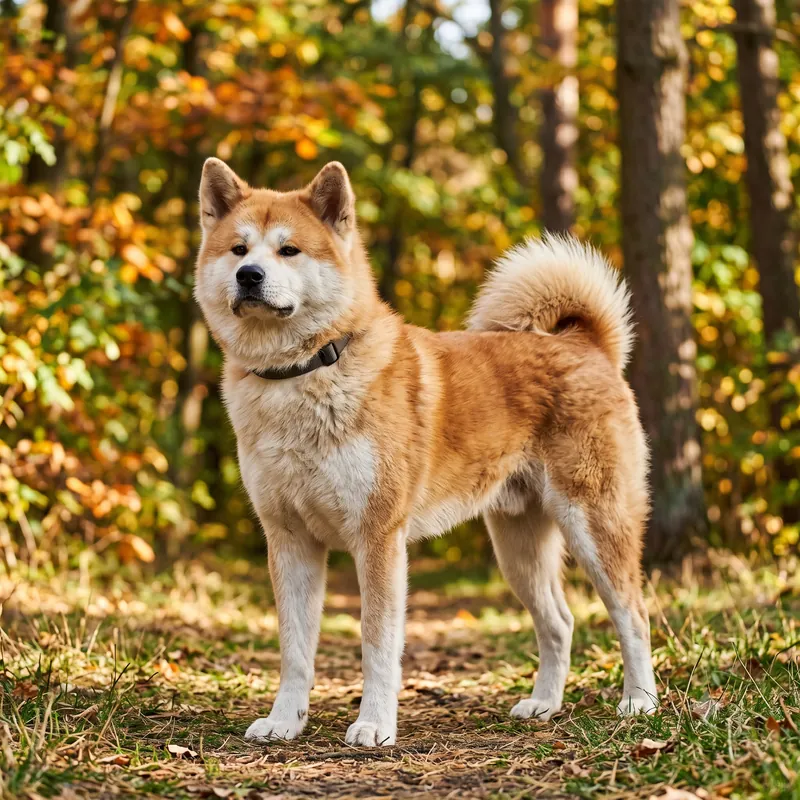
Akita
The Akita originates from Japan's Akita Prefecture, where it hunted large game, bear included, for centuries before becoming a national symbol of loyalty, embodied by Hachiko, the dog who kept waiting at a train station for his owner years after the man had died. The dense double coat, with a short, harsh outer layer, blows out heavily twice a year. A build up to 45 kilograms stays solid and muscular, and the breed is considered one of the most independent and dominant among spitz-type dogs. It can be confrontational with other dogs, especially of the same sex, so early socialization matters. With its owner it tends to be deeply loyal, though reserved with strangers. Life expectancy runs 10 to 13 years.
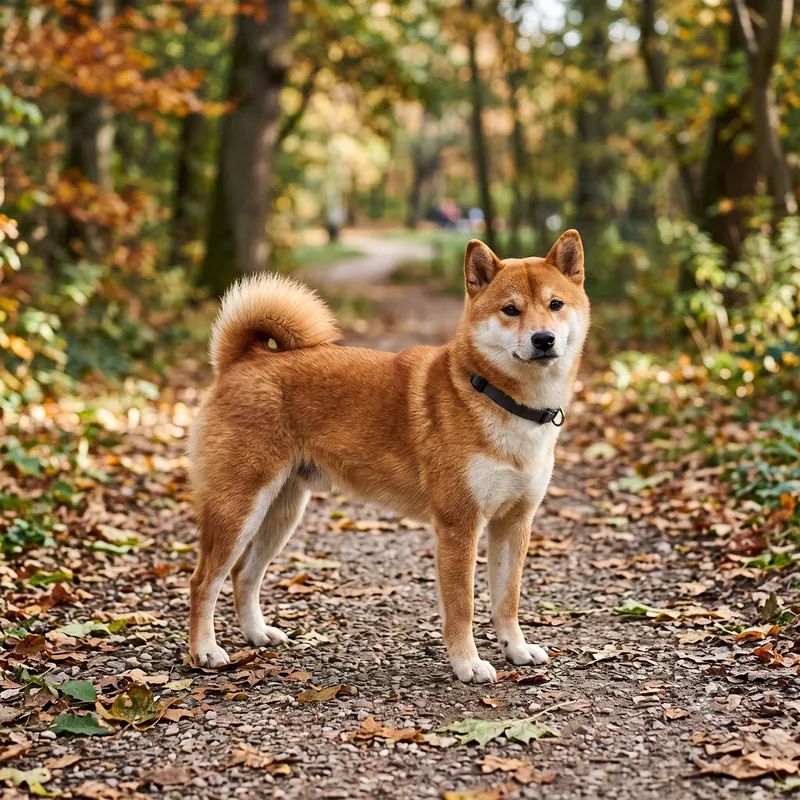
Shiba Inu
The Shiba Inu is the smallest of Japan's six native breeds, originally used to flush small game in dense mountain forests. Its name comes from an old Japanese word for brushwood, and one theory holds it referred to the reddish coat's resemblance to autumn foliage. The breed nearly vanished after World War II, and today's population was rebuilt from a handful of surviving rural bloodlines. The double coat blows out heavily twice a year and sheds steadily the rest of the time, so regular brushing isn't optional. Shibas are known for an independent, sometimes stubborn streak, they bond closely with their owner but don't follow commands just because they were given. The breed also has a signature vocalization, a high, piercing yelp owners call the 'Shiba scream' when startled or frustrated. A male rarely tops 10 kilograms, making it a compact but genuinely muscular dog. Life expectancy runs 13 to 16 years.
At a glance
| Akita | Shiba Inu | |
|---|---|---|
| Height (male) | 64.0–70.0 cm | 38.0–41.0 cm |
| Weight (male) | 32.0–45.0 kg | 8.0–10.0 kg |
| Life expectancy | 10–13 yrs | 13–16 yrs |
| Coat | double coat, short-medium harsh outer coat | double coat, short-medium harsh outer coat |
Temperament & Family Life
| Akita | Shiba Inu | |
|---|---|---|
| Family friendly | ||
| Good with children | ||
| Good with other dogs | ||
| Friendly with strangers | ||
| Intelligence | ||
| Trainability |
Exercise, Energy & Space
| Akita | Shiba Inu | |
|---|---|---|
| Energy level | ||
| Exercise need | ||
| Apartment friendly | ||
| Prey drive | ||
| Hunting instinct |
Guarding & Alertness
| Akita | Shiba Inu | |
|---|---|---|
| Guarding instinct | ||
| Watchfulness | ||
| Barking level |
Grooming & Care
| Akita | Shiba Inu | |
|---|---|---|
| Shedding | ||
| Drooling | ||
| Grooming need |
Temperament and care scores (1-5) are a general guide based on the breed standard — every individual dog is different.