

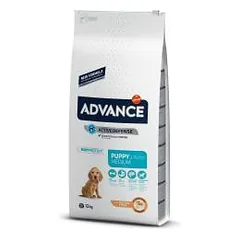
Advance
Advance Puppy Medium sausas maistas vidutinių veislių šuniukams, 12 kg
1,48 €/kg
17,76 € / 12 kg

The Alpine Dachsbracke is an Austrian hunting breed, bred to track large game on foot across steep Alpine terrain, where short legs help it move low and close through dense undergrowth. The short, dense coat handles the cold, and a compact build up to 18 kilograms offers both strength and agility on mountainous ground. The breed is closely related to the Bavarian Mountain Scenthound but is more versatile, suited to both trailing and general hunting work. Despite the short legs, it is not a novelty shape, it remains a purely working breed. Life expectancy runs 12 to 14 years.
Browse dog food sized right for this breed
Alpine Dachsbracke: how old in human years?
Energy level
Trainability
Family friendly
Grooming need
Males 34–42 cm
Females 34–42 cm
Males 15–18 kg
Females 13–16 kg
Alpine Dachsbracke's average temperament and family-life score for this breed is moderate.
Alpine Dachsbracke's energy and exercise needs are moderate.
Alpine Dachsbracke's guarding and alertness traits are low.
Alpine Dachsbracke's grooming needs are low.
Those short legs and that long, sturdy body might suggest a sofa dog, but the Alpine Dachsbracke was bred in the Austrian mountains to follow a trail, and its nose never clocks off. It will patiently work an old, faint scent for hours, so keep it on a long line in the woods: once it finds something interesting, it simply won't hear you.
Its energy is moderate and wholesome: a long morning walk, a shorter one in the evening and a daily chance to sniff something new will keep it content. Scent games at home or in the garden, where you hide a treat and let it search, delight it far more than any ball. It is clever but has a mind of its own, so train with patience and treats.
With its family it is gentle and affectionate, patient with children, and reserved with visitors at first before warming up. It will announce a caller with its voice, but it is no guard dog. A flat is not its ideal home, but an active family with a garden and walks in the woods gives it everything it needs, and in the evening it will gladly share the rug by the fire with you.
The Alpine Dachsbracke's short, dense coat is better prepared for mountain weather than most hikers, and it costs you only a few minutes a week. A bristle brush or rubber mitt once a week lifts the dead hair, with a little more brushing when it sheds. Mud falls off once the coat dries, so baths can be rare.
Being built low to the ground, its belly and chest take the brunt of wet grass and snow, so a towel after the walk is worth it. Check the drop ears once a week and after every forest outing, look over the paw pads for scrapes from stones, and trim the nails when you hear them clicking on the floor.
We don't have reliable health information specific to this breed, so we don't list conditions here. Keep up regular vet check-ups, and if you are getting a puppy, ask the breeder about the parents' health testing.
This is general information, not veterinary advice. For your own dog's health, tests and treatment, see a vet.
This list is chosen by the breed's weight (18 kg) rather than the breed itself: shops label food by dog size, so every breed of the same size gets the same list. Prices are updated daily.
≈ 230 g of dry food a day, from €12,63 a month For a neutered, normally active 15,5 kg dog. Calculate for your dog
Advance
1,48 €/kg
17,76 € / 12 kg
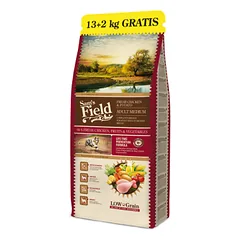
Sam's Field
1,80 €/kg
26,99 € / 15 kg

Country Dog
1,89 €/kg
28,29 € / 15 kg
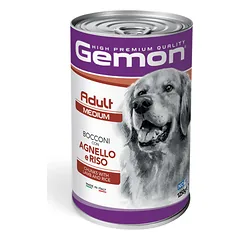
Gemon
1,94 €/kg
2,42 € / 1,3 kg
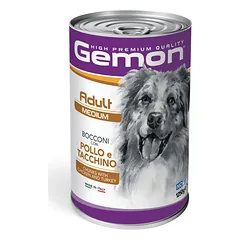
Gemon
1,94 €/kg
2,42 € / 1,3 kg
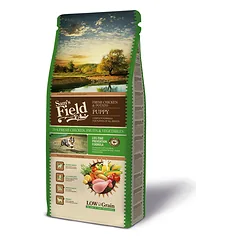
Sam's Field
2,11 €/kg
27,45 € / 13 kg
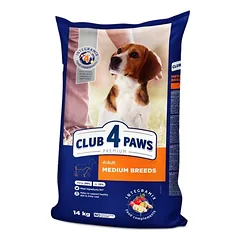
2,14 €/kg
30,00 € / 14 kg
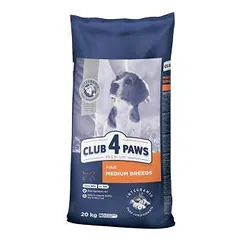
Club 4 Paws
2,15 €/kg
42,99 € / 20 kg