


Greyhound vs Irish Wolfhound
Compare two breeds
Pick two breeds to see them compared side by side.
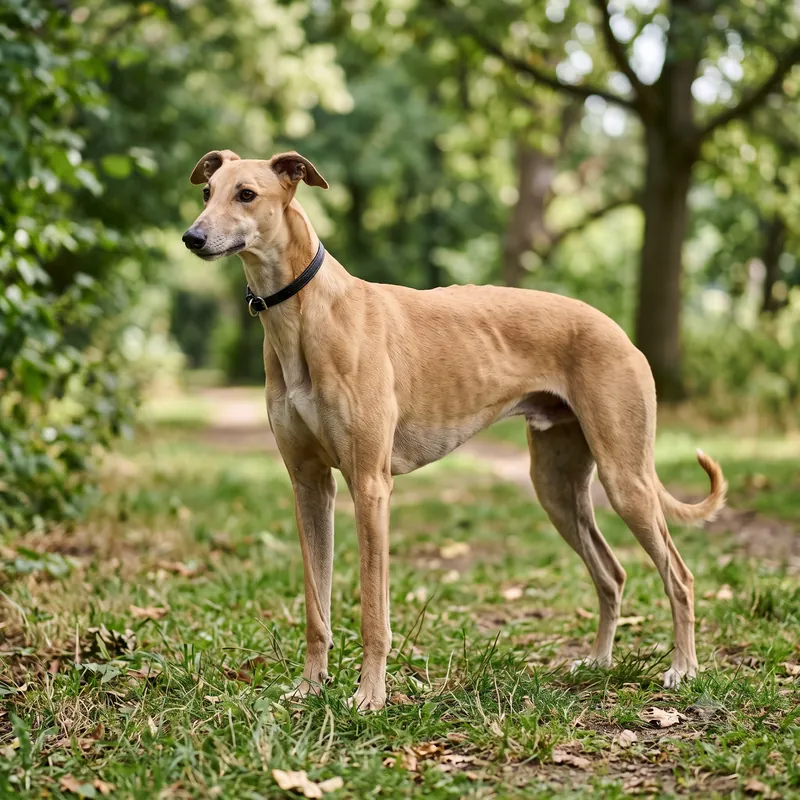
Greyhound
Bred in Britain for centuries to chase game by sight rather than scent, the Greyhound remains the fastest dog breed recorded, capable of short bursts near 70 kilometers per hour from a standing start. That speed comes from an unusually efficient double-suspension gallop, where all four feet leave the ground twice per stride, once fully extended and once fully bunched. An adult male can reach 32 kilograms, but the build carries almost no body fat, so the ribs and spine are visible even on a healthy dog, which often worries new owners unfamiliar with the breed. Despite the racing reputation, Greyhounds are famously low-energy at home and commonly nicknamed "45mph couch potatoes" for how much of the day they spend asleep. Thin skin and a low body-fat percentage mean they feel cold quickly and often need a coat in winter weather that other breeds shrug off. Thousands of retired racing Greyhounds are rehomed each year once their track careers end around age four or five, and most adapt to a sofa within days. Many retain a strong prey drive toward small, fast-moving animals, a legacy of their original job, so recall around cats or rabbits needs real caution. Life expectancy runs 10 to 13 years, reasonable for a dog this size.
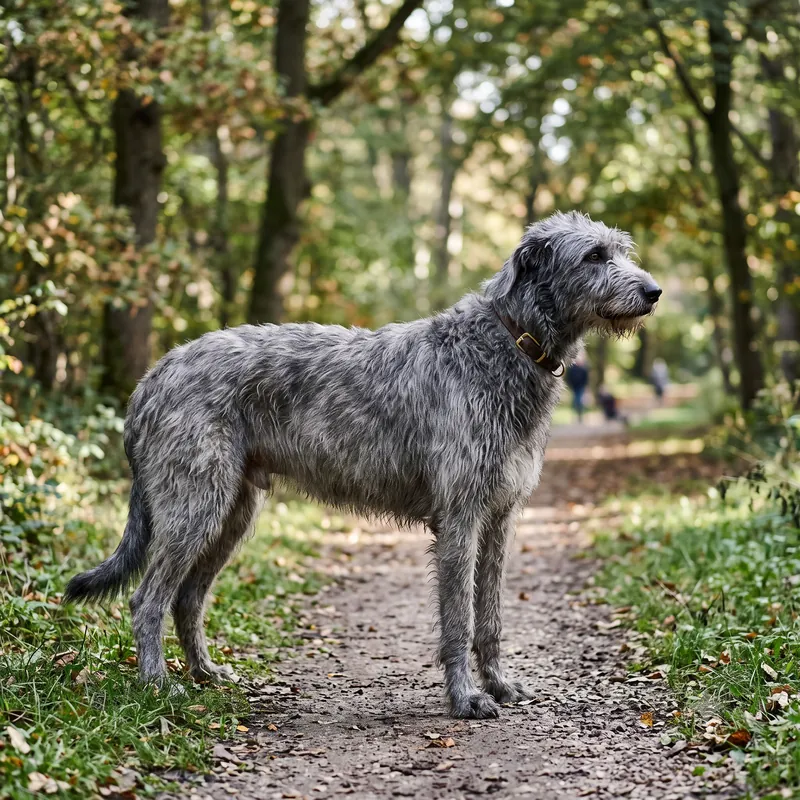
Irish Wolfhound
The Irish Wolfhound is the tallest breed recognised by the FCI, descended from ancient Irish dogs used to hunt wolves and even elk, before the breed nearly vanished in the nineteenth century once wolves were wiped out on the island. A Scottish captain, George Augustus Graham, rebuilt the breed in the late nineteenth century by crossing surviving dogs with the Deerhound and other related breeds. Despite its towering height, the frame stays lean and light, built for speed rather than raw power. The rough, wiry coat, especially thick over the eyes and under the jaw, protects against Ireland's cold, damp weather. As with most giant breeds, lifespan is notably short, often just 6 to 8 years. Temperament is gentle and calm, rarely aggressive despite the imposing size. Heart disease is a primary health concern when selecting a breeder. Speed and a strong prey drive mean an unfenced dog can chase a moving object a very long way. Life expectancy runs 6 to 8 years.
At a glance
| Greyhound | Irish Wolfhound | |
|---|---|---|
| Height (male) | 71.0–76.0 cm | not specified |
| Weight (male) | 29.0–32.0 kg | not specified |
| Life expectancy | 10–13 yrs | 6–8 yrs |
| Coat | short, fine, close | rough and harsh, wiry, especially over eyes and under jaw |
Temperament & Family Life
| Greyhound | Irish Wolfhound | |
|---|---|---|
| Family friendly | ||
| Good with children | ||
| Good with other dogs | ||
| Friendly with strangers | ||
| Intelligence | ||
| Trainability |
Exercise, Energy & Space
| Greyhound | Irish Wolfhound | |
|---|---|---|
| Energy level | ||
| Exercise need | ||
| Apartment friendly | ||
| Prey drive | ||
| Hunting instinct |
Guarding & Alertness
| Greyhound | Irish Wolfhound | |
|---|---|---|
| Guarding instinct | ||
| Watchfulness | ||
| Barking level |
Grooming & Care
| Greyhound | Irish Wolfhound | |
|---|---|---|
| Shedding | ||
| Drooling | ||
| Grooming need |
Temperament and care scores (1-5) are a general guide based on the breed standard — every individual dog is different.